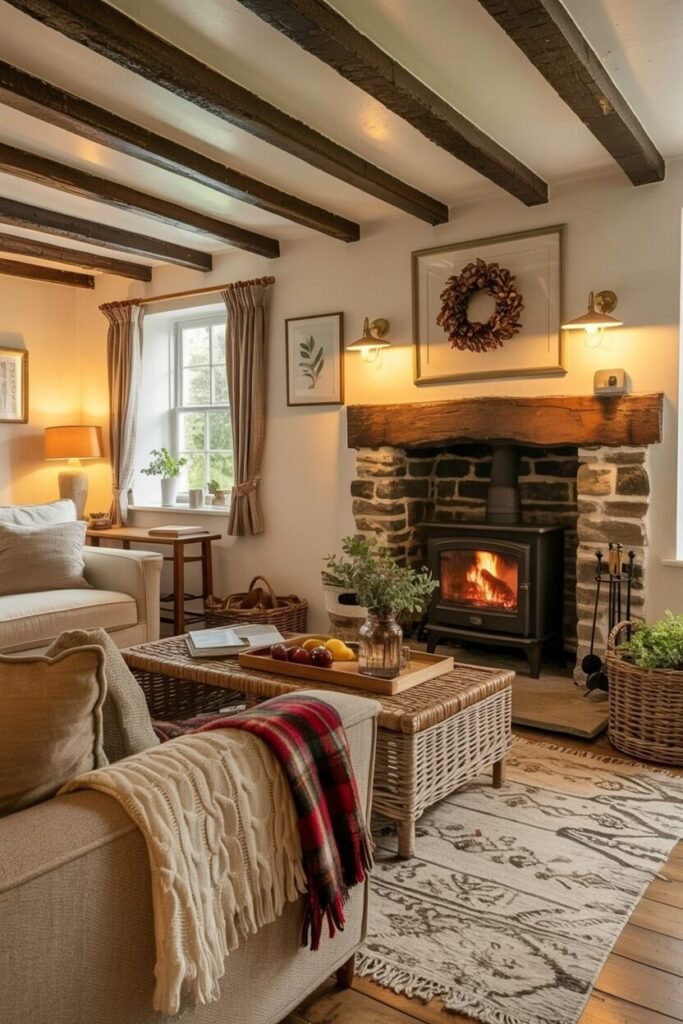

Reading Nooks That Balance Comfort, Light, and Real Life
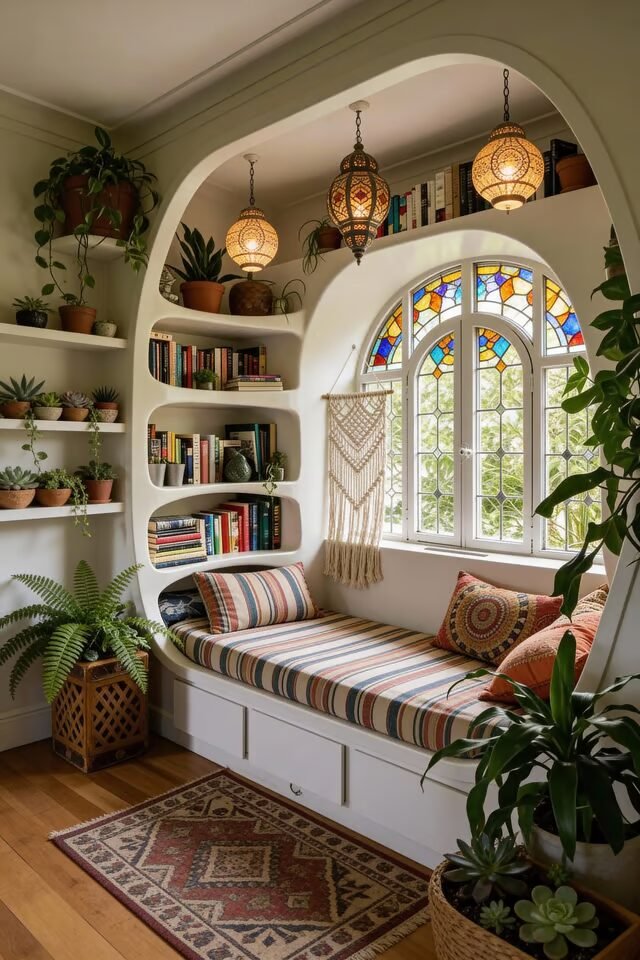
Let’s be real, a reading nook isn’t just about reading. It’s about creating a space that forces you to pause without feeling guilty about it. The best reading nook ideas work because they balance comfort, psychology, and design logic. Good nooks reduce friction between you and rest.
That means easy access, soft lighting, and seating that doesn’t punish your spine after ten minutes. Whether it’s tucked under stairs, framed by an arch, or soaking up window light, a successful nook feels intentional, not leftover. Design-wise, enclosure matters. When a nook feels visually defined, your brain reads it as a safe zone.
Lighting should be layered, never harsh, and always warm. Textures matter more than trends because your body notices them before your eyes do. And let’s not forget proportion. Oversized cushions and built-ins work because they invite lingering. When we design reading nooks thoughtfully, we’re not just decorating. We’re quietly reclaiming time, attention, and a little peace.
Window Seat Reading Nook With Storage
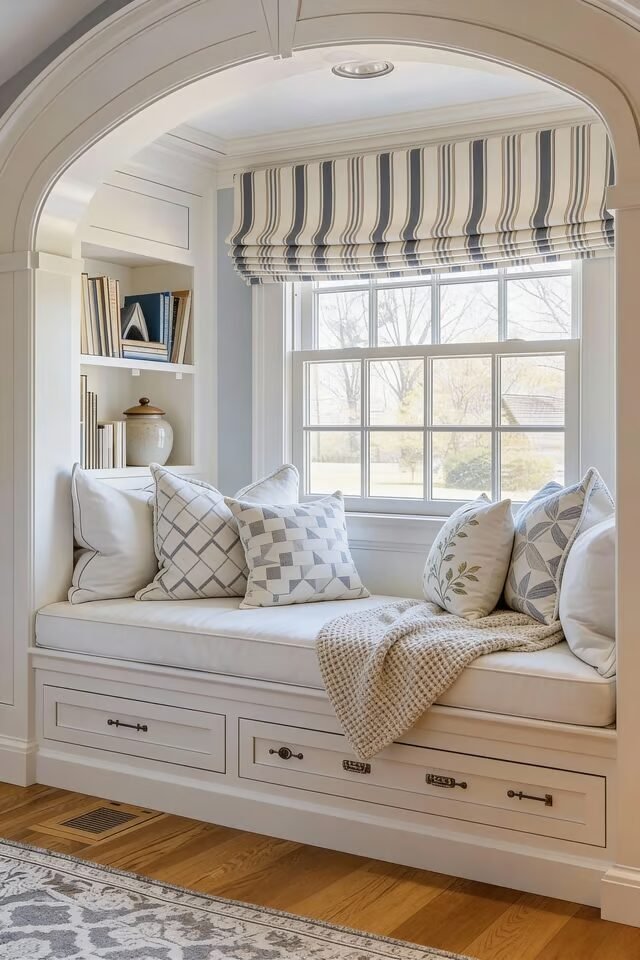
This idea is basically the holy grail of form-meets-function. A window seat reading nook works because it nails three design principles at once: natural light, visual framing, and built-in utility. Natural light reduces eye strain and instantly makes any nook feel more inviting, which is why window placement matters more than fancy furniture here.
The built-in bench creates a strong horizontal line that visually grounds the space, while drawers underneath quietly handle storage without cluttering the vibe. When recreating this, focus on cushion depth first. Too shallow and it feels decorative, not usable.
We want lounge-worthy proportions. Layer pillows in mixed but related patterns to add depth without chaos. A single throw adds texture contrast and signals “stay awhile.” Keep the color palette light to reflect daylight and expand the room visually.
Roman shades are a smart choice because they soften the window without blocking light or overwhelming the nook. If we’re being honest, this nook works because it feels intentional, not accidental. It doesn’t scream “extra seating.” It whispers, “main character energy, but calm.”
Under-Stairs Library Reading Retreat
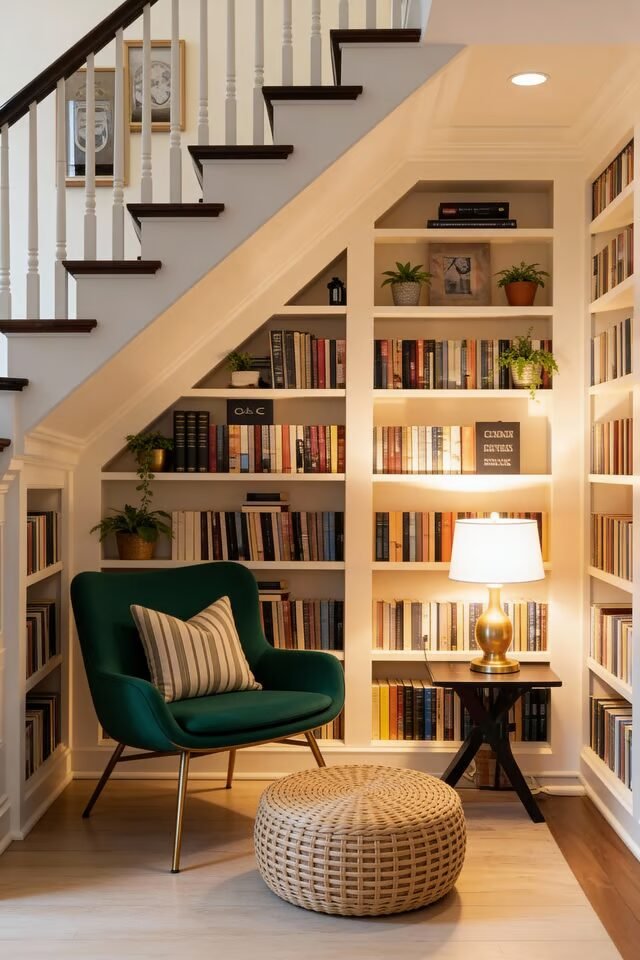
Under-stairs spaces are awkward by nature, which is exactly why they’re perfect for reading nooks. This design leans hard into the principle of embracing architectural constraints instead of fighting them. The sloped ceiling creates a natural sense of enclosure, making the nook feel cozy instead of cramped.
Floor-to-ceiling shelving maximizes vertical storage while visually stretching the space upward, which prevents the area from feeling squished. Built-ins are doing the heavy lifting here, creating cohesion and eliminating visual noise. The accent chair introduces contrast through color and shape, breaking up the grid-like order of bookshelves. When recreating this, lighting is non-negotiable.
Layer ambient lighting with a focused table lamp so your eyes don’t suffer for aesthetics. A round ottoman softens all the straight lines and improves flow. Warm lighting temperature is key for psychological comfort, especially in enclosed spaces. This nook works because it turns “dead space” into a destination. Honestly, it’s spatial glow-up behavior.
Attic-Inspired Reading Nook Workspace
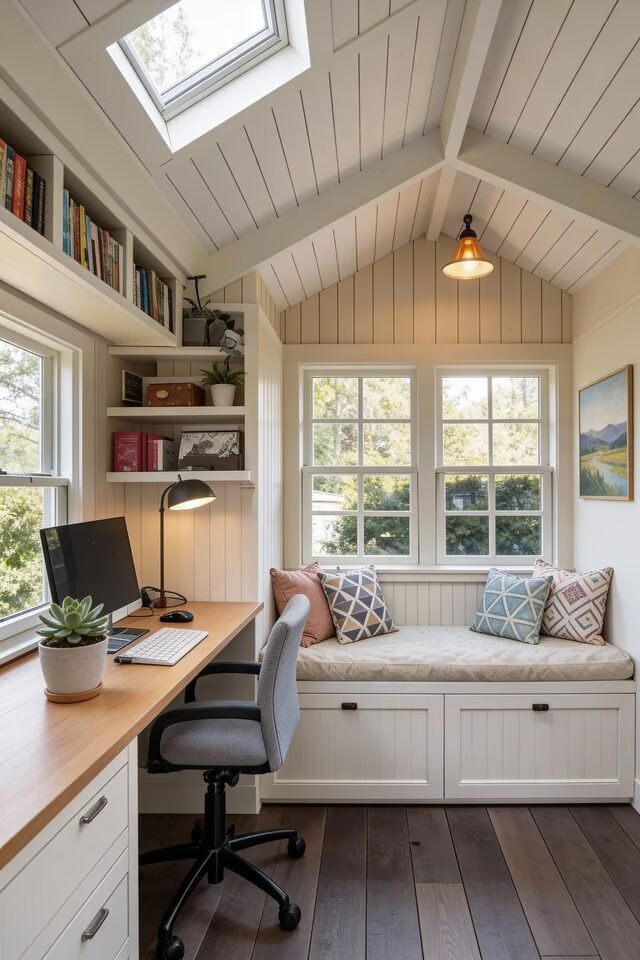
This reading nook proves that small spaces can multitask without looking stressed. The key principle here is clear zoning within a single footprint. Desk on one side, reading bench on the other, and suddenly the room knows who it is. The pitched ceiling adds vertical drama, while the skylight floods the space with daylight, reducing the need for heavy artificial lighting.
Natural light from above keeps the room feeling open even when square footage is limited. Built-in seating with hidden storage keeps clutter off the floor, which is essential in compact rooms. When recreating this, stick to a cohesive material palette so the space doesn’t feel busy. Light wood, soft textiles, and neutral walls work together to calm the eye.
Cushions add comfort, but their patterns should stay subtle. Furniture with legs helps maintain visual lightness. This nook succeeds because it respects proportion and flow. It’s proof that productivity and relaxation can share a room without beefing.
Arch-Framed Cozy Reading Sanctuary
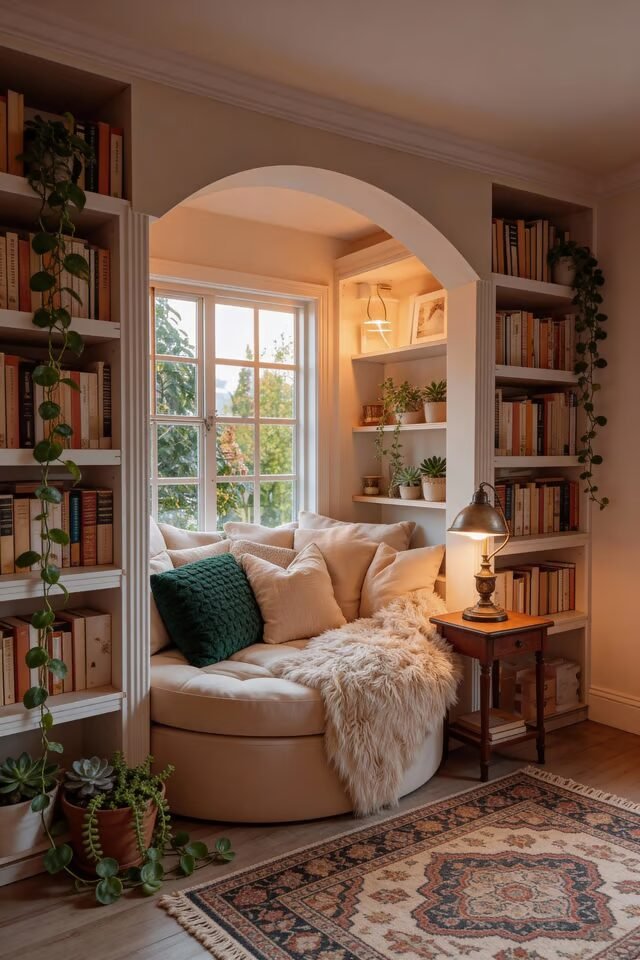
Arches are having a moment, and this nook shows why. The arched opening acts as a visual transition, signaling that you’re entering a slower, softer zone. Curves psychologically reduce tension, which makes them perfect for reading spaces.
Built-in shelving flanking the nook creates symmetry and frames the seating like a cozy stage. The circular sofa reinforces the curve theme and improves flow by eliminating harsh corners. When recreating this, texture is everything. Layer plush upholstery, soft throws, and natural plants to keep the space from feeling too polished. Warm accent lighting adds emotional depth and evening usability.
The rug grounds the nook and defines it as its own zone, even within an open layout. Keep decor intentional but minimal so the space doesn’t compete with the books. This nook works because it feels separated without being isolated. It’s giving “romantic quiet time” without trying too hard, which is honestly the dream.
Moody Built-In Library Alcove
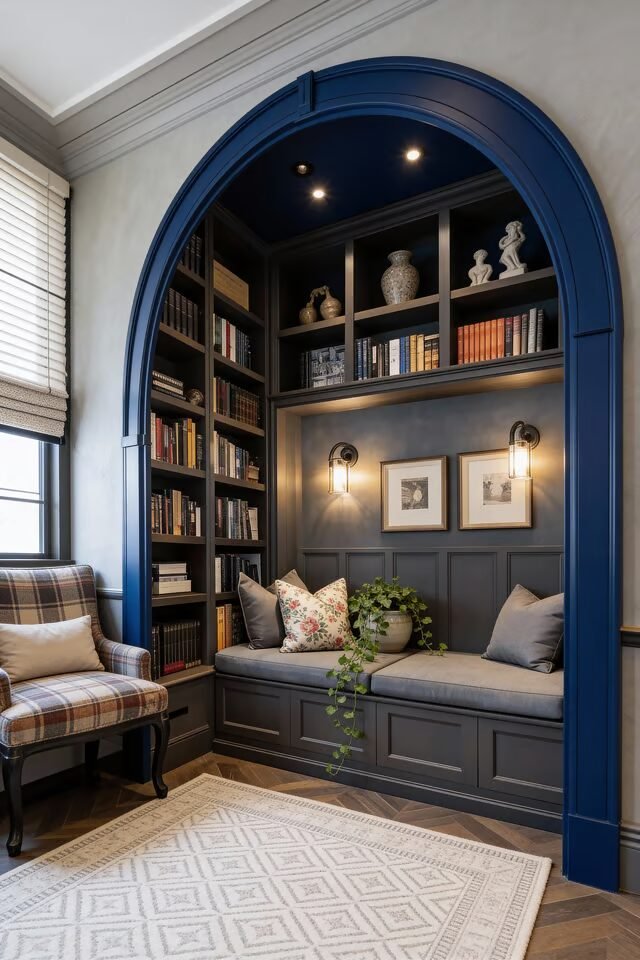
This reading nook is for people who love drama but still want comfort. Dark colors work here because the nook is enclosed, controlled, and intentionally lit. Moody palettes make small spaces feel intimate rather than cramped when done right.
The deep arch frames the nook like a secret hideout, while built-in shelving keeps the look cohesive and architectural. Symmetry in shelving and lighting creates balance, preventing the dark tones from feeling heavy. When recreating this, lighting placement is critical. Wall sconces provide soft, directional light that doesn’t overwhelm the space.
Contrast soft seating against dark walls to maintain comfort and readability. Plants add organic relief and keep the nook from feeling too formal. The bench seating keeps the footprint efficient while still inviting lounging. This nook succeeds because it leans fully into its mood instead of apologizing for it. It’s bold, cozy, and absolutely not afraid of commitment.
Garden-Facing Reading Nook With Plants
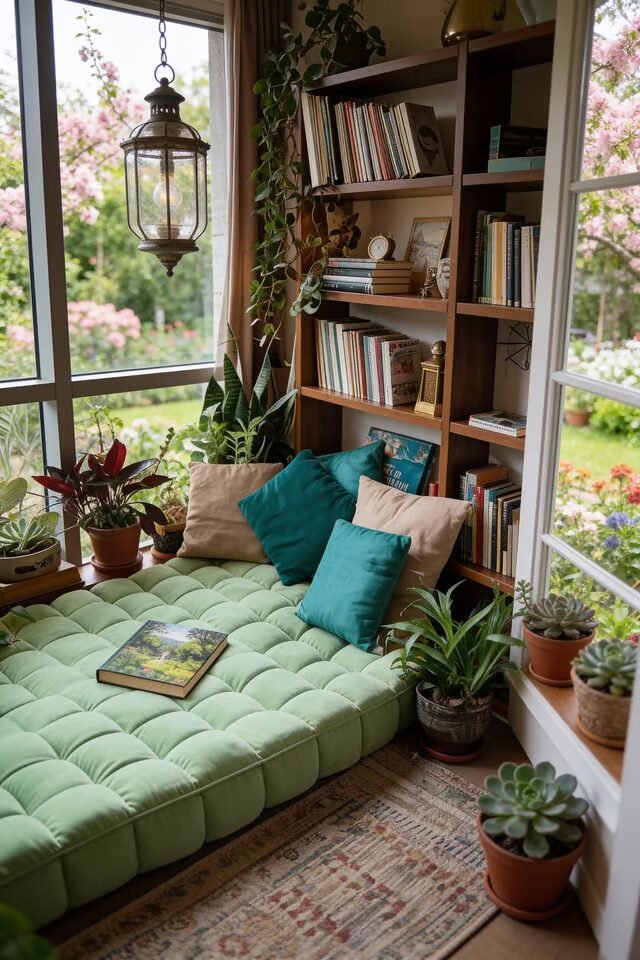
This reading nook is basically biophilic design showing off, and honestly, we love that for it. The core principle here is visual connection to nature, which has been proven to lower stress and increase focus. Positioning the seating directly next to a garden-facing window pulls the outdoors in, while plants layered at different heights reinforce that connection.
When recreating this, don’t just add plants randomly. Vary leaf size and shape to create visual rhythm, otherwise it turns into a jungle with no plot. The low-profile cushion keeps sightlines open, which is key when you’re working with lush outdoor views. Shelving behind the nook adds vertical balance and keeps books within reach without blocking light.
Use warm wood tones to ground all the greenery and prevent the space from feeling cold. Natural textures like linen, cotton, and unfinished wood enhance the calming effect. This nook works because it feels alive, not styled to death. It’s giving “quiet morning with coffee and zero notifications,” which is the actual dream.
Fairy-Light Reading Corner Glow-Up
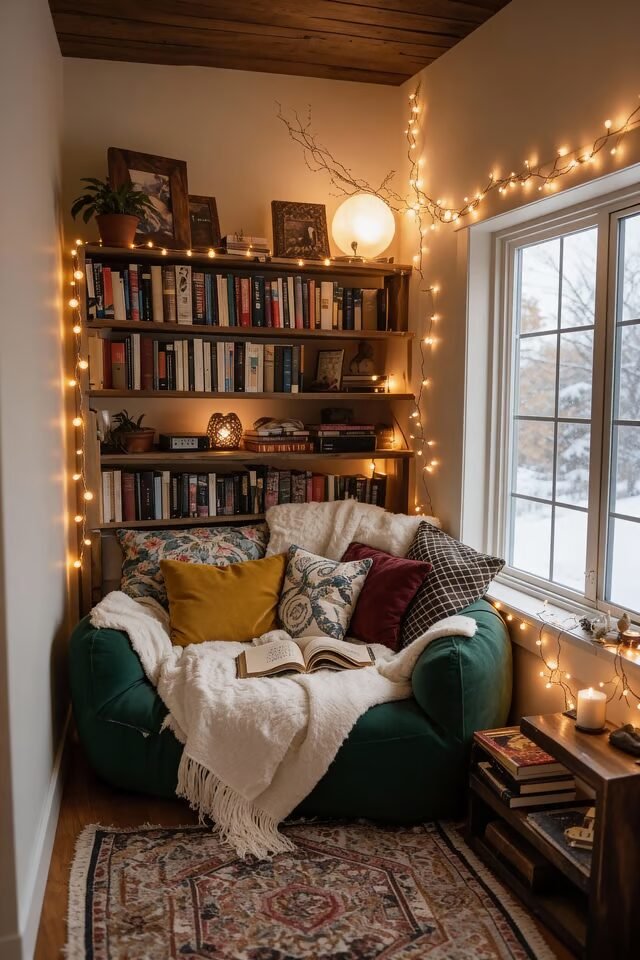
If cozy had a personality, it would be this nook. The design magic here comes from layered lighting, not the furniture. Fairy lights provide ambient glow, while a nearby lamp adds task lighting, making the space functional without killing the mood.
When recreating this, always start with seating comfort. A deep, cushioned chair with rounded edges invites long reading sessions instead of quick sits. The bookshelf behind acts as both storage and backdrop, creating a sense of enclosure that feels safe and intentional. Warm light temperatures are non-negotiable here, because cool lighting will absolutely ruin the vibe.
Textiles do the emotional heavy lifting, so layer throws and pillows with different textures but related colors. Keep patterns balanced so it feels eclectic, not chaotic. This nook works because it prioritizes feeling over perfection. It’s less “designer showroom” and more “I accidentally read for three hours,” which is elite behavior.
Under-Stair Built-In Reading Bench
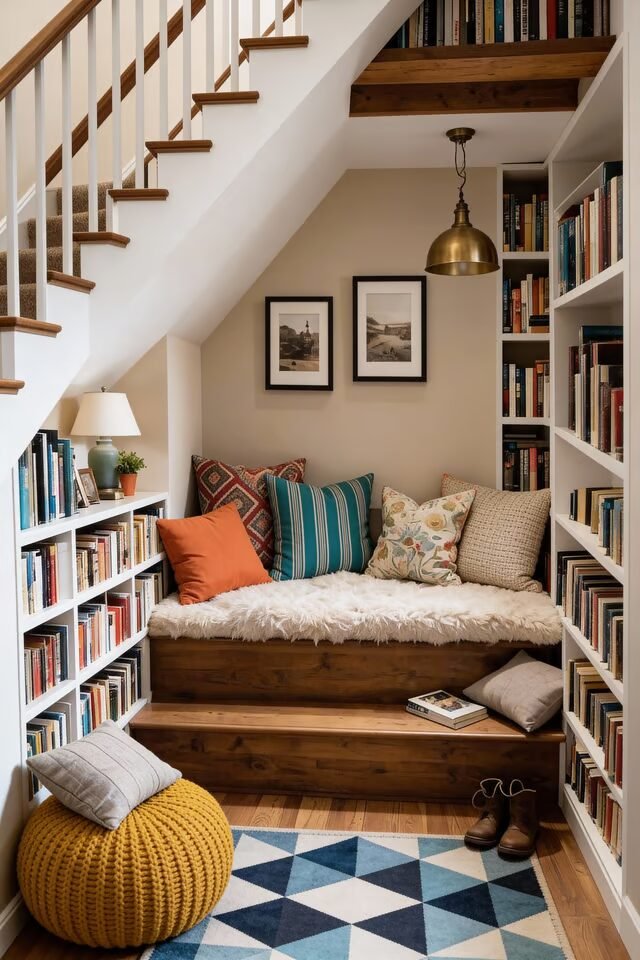
This nook understands space efficiency like a pro. The main principle here is architectural integration, meaning the nook feels like it was always meant to exist. Built-in benches maximize awkward under-stair space while maintaining clean lines and visual order.
Surrounding the seating with bookshelves creates symmetry and a cocoon effect, which enhances focus and comfort. When recreating this, pay attention to bench height and cushion thickness. Ergonomics matter more than aesthetics when you’re sitting for long periods. Mixing pillow patterns adds personality without disrupting the structure of the built-ins.
The pendant light anchors the nook vertically and ensures adequate illumination without taking up floor space. Warm wood tones soften the angular architecture and make the area feel lived-in. This nook works because it transforms a forgotten zone into a destination. It’s practical, cozy, and secretly one of the smartest layouts in the house.
Minimal Archway Window Reading Nook
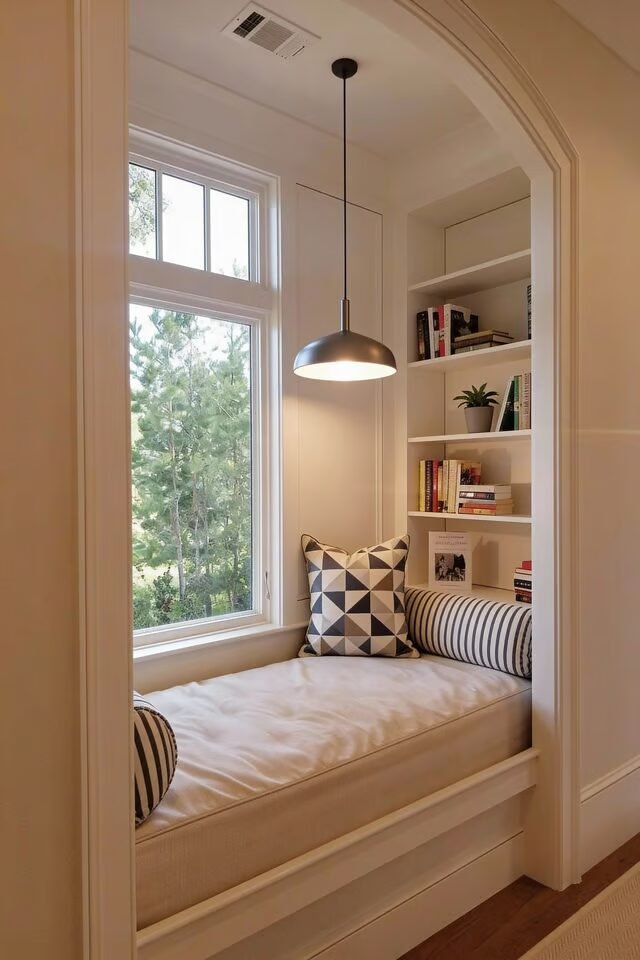
This nook is proof that restraint is a design flex. The key principle here is visual clarity, achieved through clean lines, limited colors, and intentional placement. The arched opening frames the nook like a calm pause between rooms, while the window becomes the natural focal point. Built-in seating keeps the footprint minimal and eliminates bulky furniture.
When recreating this, cushion quality matters more than quantity. One great seat beats five decorative pillows every time. Shelving to the side balances storage with openness, preventing the nook from feeling boxed in. The pendant light provides focused illumination without visual clutter.
Stick to a neutral palette with subtle pattern contrast to keep things interesting but serene. This nook works because it respects negative space instead of filling it. It’s giving “quiet confidence” energy, which somehow makes reading feel more intentional and less like procrastination.
Moody Blue Built-In Reading Alcove
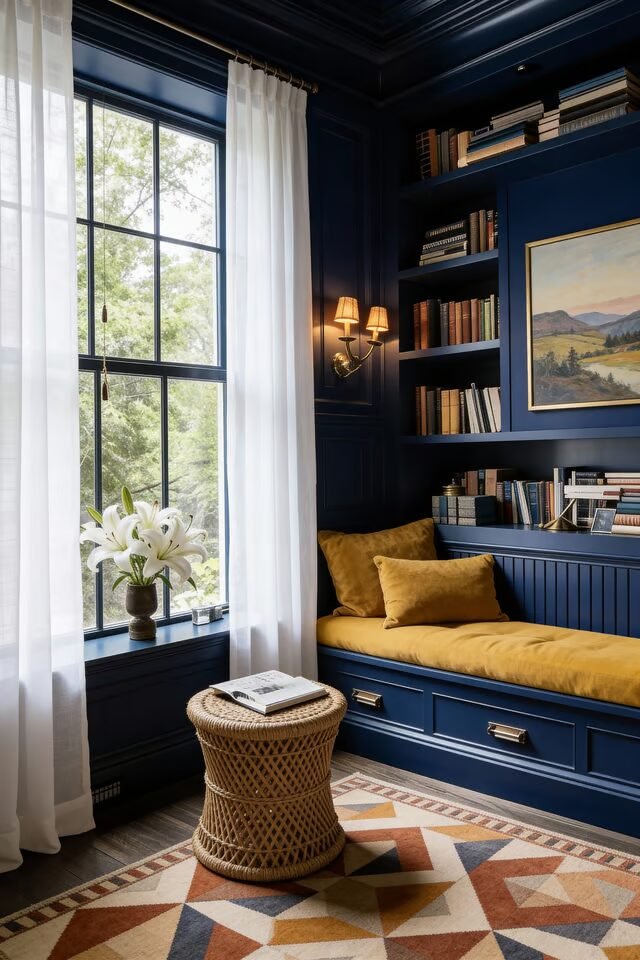
This nook understands that dark colors can be comforting, not intimidating. The design principle at play is controlled contrast, where deep hues are balanced with soft textures and warm lighting. The built-in seating and shelving create a seamless, architectural look that feels custom and grounded.
When recreating this, lighting placement is everything. Wall sconces provide focused glow without overpowering the space. Dark walls need layered lighting to avoid feeling flat or heavy. Lighter cushions break up the color saturation and keep the nook inviting. The window acts as a natural counterbalance, preventing the space from feeling closed off.
Add one organic element, like a plant or woven stool, to soften the sharp edges. This nook works because it commits fully to its mood. It’s cozy, dramatic, and absolutely designed for slow evenings and unread messages.
The Secret To Nooks You’ll Actually Use Daily
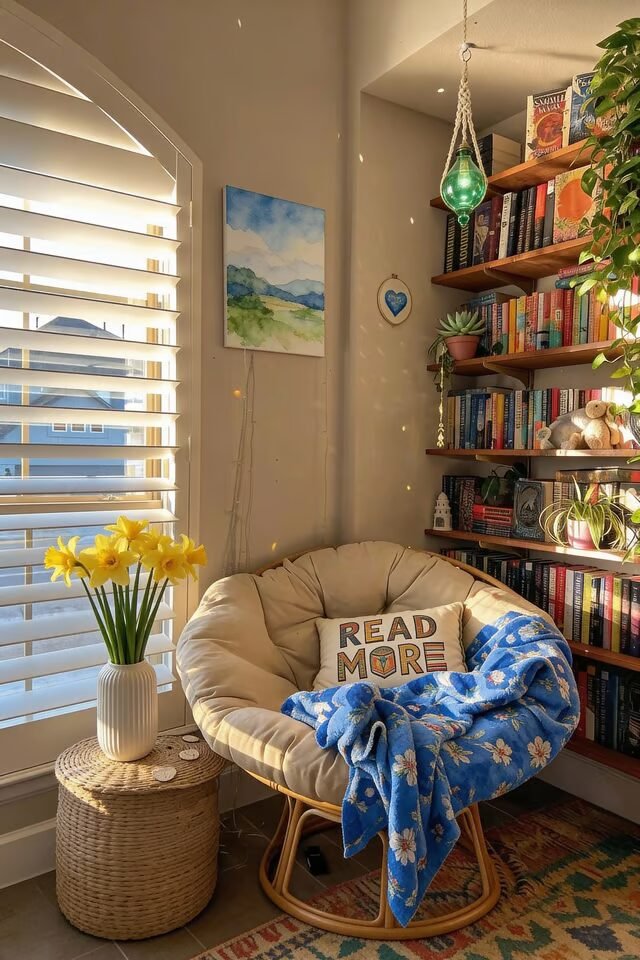
Here’s the truth most people miss: a reading nook only works if you want to use it when life is loud. That’s why the best designs don’t chase perfection, they chase comfort and ease. If a nook feels precious, it becomes decoration instead of destination.
Great reading nook ideas prioritize habit-forming design. Easy lighting switches, reachable shelves, and seating that welcomes bad posture days. Color choices matter too. Light palettes expand small spaces, while darker tones create intimacy when lighting is controlled. Both work when they’re intentional. Texture layering adds warmth without visual clutter, and built-ins quietly solve storage before mess becomes stress.
Plants, books, and personal objects make a nook feel lived-in instead of staged. When we design for real use, not just photos, the space earns its place in daily routines. A good reading nook doesn’t beg for attention. It waits patiently until you need it, then shows up exactly how you hoped it would.