
How Lemon Centerpieces Quietly Transform Ordinary Tables
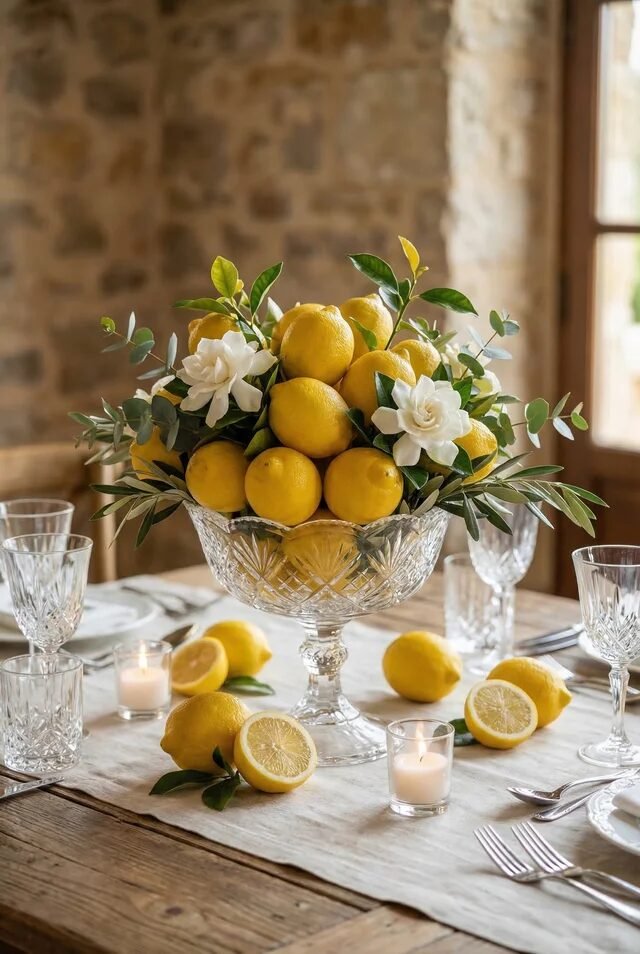
Lemon centerpieces have this magical ability to make a table feel instantly brighter, fresher, and honestly a little more joyful. Something about that vibrant yellow color just screams “we tried… but in a chill, effortless way.” The beauty of decorating with lemons is that they combine natural color, organic texture, and playful visual energy all in one simple ingredient.
From a design perspective, lemons are basically the overachievers of table decor. Their bold color creates a natural focal point, while their rounded shape softens a tablescape that might otherwise feel stiff or overly structured. Bright citrus works especially well when paired with greenery, wood textures, or simple ceramics, because those materials ground the color and keep the arrangement feeling balanced.
Another reason we love lemon centerpieces is versatility. They work just as well for casual brunch tables as they do for outdoor dinner parties or kitchen island styling. When decor feels fresh, simple, and a little unexpected, the whole table instantly feels more inviting.
Rustic Lemon Candle Tray That Glows Softly

There’s something ridiculously charming about lemons and candlelight hanging out together on a wooden tray. The whole look works because it balances warm light, natural textures, and vibrant color contrast. The pale ivory candles create a calm focal point while the bright lemons inject energy into the composition. When we group candles in varied heights, we instantly create vertical movement, which keeps the centerpiece from looking flat or boring.
To recreate this look, start with a round wood tray as your visual anchor. Round shapes naturally soften a tablescape and keep the arrangement feeling relaxed instead of rigid. Place three pillar candles in the center, then cluster lemons around them rather than spacing them evenly. Intentional asymmetry often feels more organic and designer-approved than perfect spacing.
Add olive branches or soft greenery to weave between the lemons. This layering trick visually connects everything and avoids the dreaded “fruit sitting randomly on a tray” situation. Greenery acts like the glue of a centerpiece, filling awkward gaps while introducing texture. Suddenly the whole arrangement feels styled instead of accidental.
Sunny Outdoor Lemon Tablescape
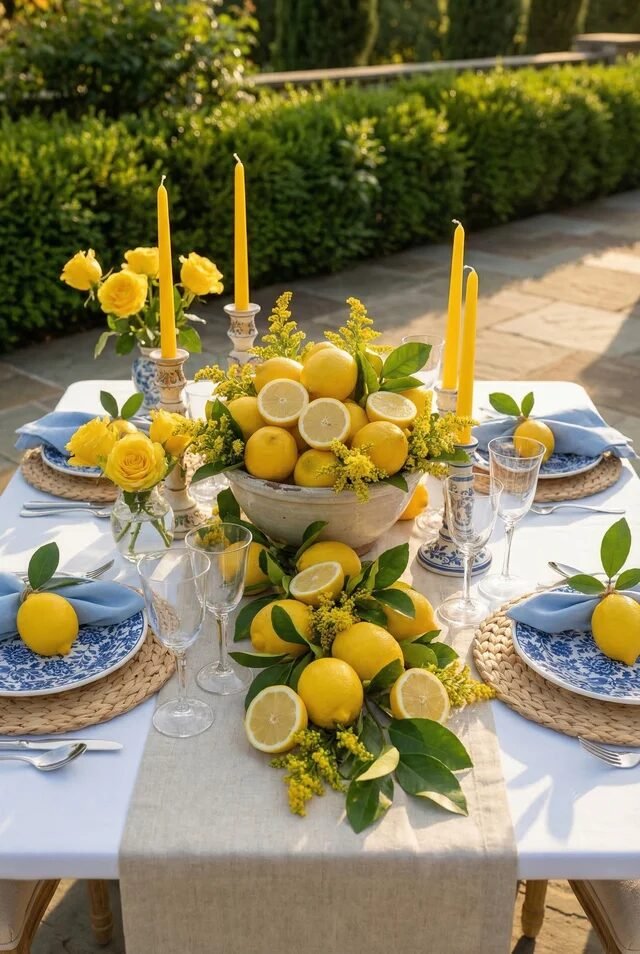
This centerpiece is basically summer hosting energy in physical form. The design works because it uses repetition and symmetry, two principles that make tables feel polished without being overly formal. Lemons appear in multiple spots—inside the bowl, along the runner, and near each plate—which visually ties the entire tablescape together.
Start with a neutral runner down the center to create a strong visual line. That runner acts like the stage where everything else performs. Place a bowl overflowing with lemons in the center, then extend the design outward by scattering halved lemons and greenery along the runner. Repeating shapes and colors across the table creates rhythm, which makes the setup feel cohesive rather than cluttered.
Tall yellow taper candles add height and drama without blocking conversation. This is a classic hosting trick: keep the tallest elements narrow so guests can still see each other across the table. Pair them with simple blue or neutral plates so the lemons remain the star of the show. The result feels bright, relaxed, and suspiciously like a Pinterest win.
Lemon Bouquet Inside Vintage Watering Can

If lemons could cosplay as flowers, this would be the look. Using a watering can as a vase introduces playful storytelling in decor, which is a secret weapon for memorable centerpieces. The rustic metal texture contrasts beautifully with glossy lemons and soft greenery, creating that layered farmhouse aesthetic everyone secretly loves.
The key design move here is clustering lemons at different heights among the stems. Instead of letting the lemons sit only at the base, tuck them into the bouquet so they become part of the structure. Mixing fruit with florals adds dimension and unexpected visual interest, which keeps the arrangement from looking like a standard grocery-store bouquet.
Place the watering can on a wood slice or natural riser to ground the display. Elevation subtly turns the arrangement into a focal point instead of background decor. Add olive branches, baby’s breath, or tiny yellow flowers to echo the lemon color. When colors repeat naturally within the arrangement, the design feels intentional rather than decorative chaos.
Floating Lemon Bowl With Floral Accents

This one is pure visual magic, and honestly it’s one of the easiest centerpieces we can make. The trick relies on transparency and layering, two design principles that instantly create depth. Because the glass bowl reveals everything inside, the lemons become both decoration and structure.
Fill a clear bowl with water, then add sliced lemons and a few whole ones. The slices create beautiful circular patterns while the whole lemons provide weight and balance. Combining different lemon forms—whole, sliced, and halved—adds variation that keeps the arrangement visually dynamic.
Next, tuck stems of yellow flowers or greenery into the water so they rise above the bowl. Curly branches add height and a slightly whimsical silhouette. Place a couple beeswax candles nearby to echo the warm yellow tones. When decor repeats a color in multiple materials—fruit, flowers, candles—it automatically feels cohesive and professionally styled.
Casual Citrus Basket Centerpiece For Everyday Tables
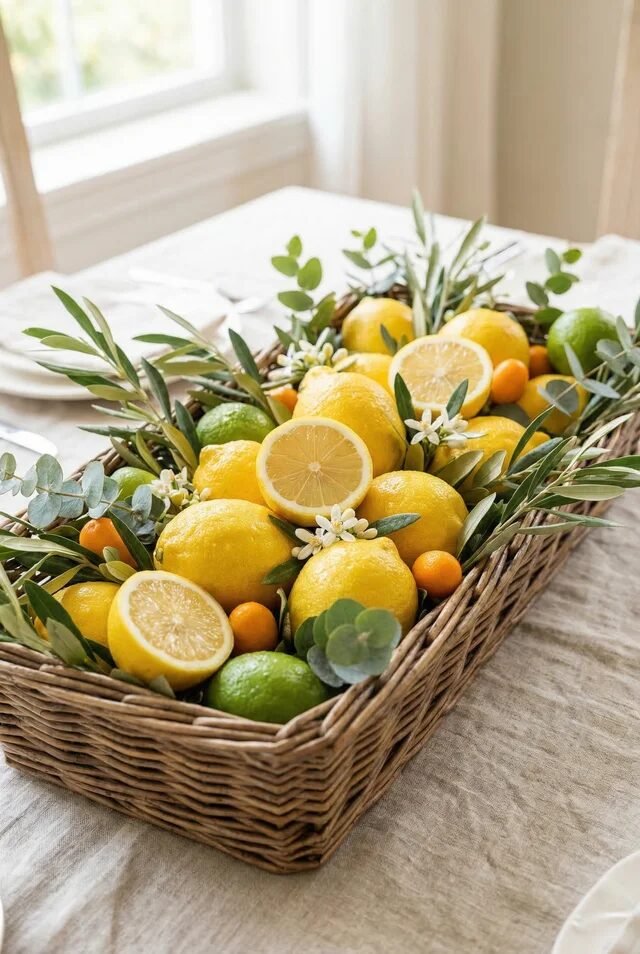
This centerpiece is proof that casual can still look intentional. The wicker basket introduces texture contrast, which is one of the easiest ways to elevate simple ingredients like lemons and greenery. Smooth citrus paired with woven fibers creates that cozy layered look designers are always chasing.
Start by lining a shallow basket with eucalyptus, olive branches, or any soft greenery. This base layer acts like a cushion for the fruit and prevents the arrangement from feeling stiff. Nestle whole lemons throughout the greenery, then add a few halved ones facing upward. Visible lemon interiors bring brightness and natural pattern into the composition.
For extra interest, sneak in a few limes or small kumquats to introduce subtle color variation. Don’t go overboard though—lemons should still dominate. A good centerpiece follows the “hero ingredient” rule, meaning one element leads while others support. The result feels relaxed, abundant, and effortlessly styled—basically the decor equivalent of pretending we totally planned this.
Overflowing Rustic Lemon Bowl With Greenery
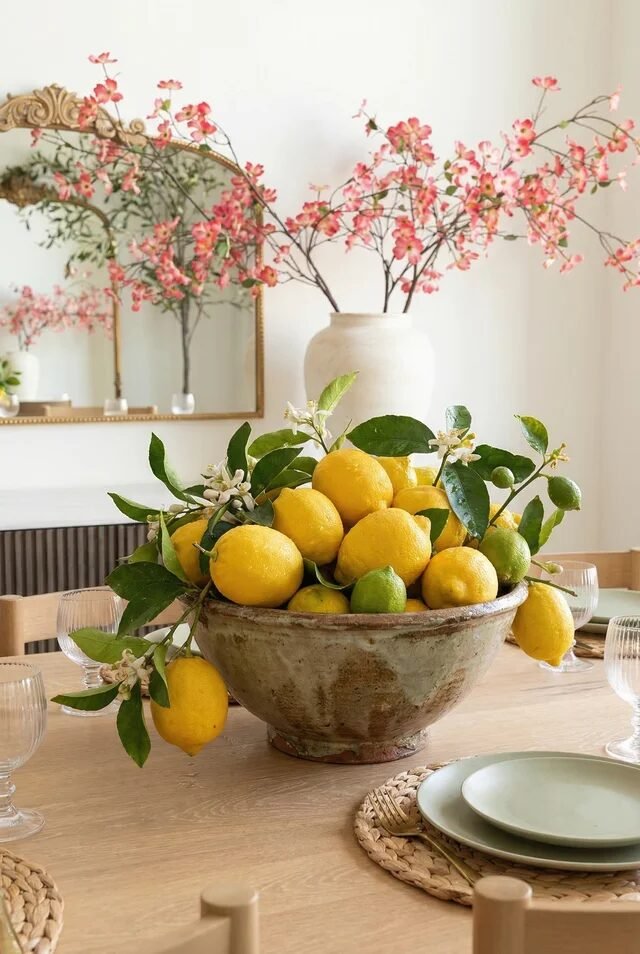
Sometimes the most effective centerpiece strategy is simply… abundance. This bowl works because it leans into the principle of visual fullness, which makes a table feel welcoming and lived-in instead of overly styled. The large rustic bowl acts as a grounding element while the lemons cascade naturally outward, creating a relaxed, organic silhouette.
When recreating this look, choose a bowl that feels slightly oversized for the table. That might sound risky, but larger vessels anchor a centerpiece and prevent it from looking like it’s floating awkwardly in the middle of the table. Fill the bowl generously with lemons and tuck in leafy branches so the greenery spills outward.
For extra visual balance, mix in a few limes or smaller citrus fruits. The subtle color variation adds dimension without stealing the spotlight from the lemons. Design-wise, this is called tonal variation—keeping a tight color palette while introducing small shifts in hue. The result looks effortless, abundant, and like we casually raided a Mediterranean orchard on the way to dinner.
Glass Vase Citrus Arrangement With Hydrangeas
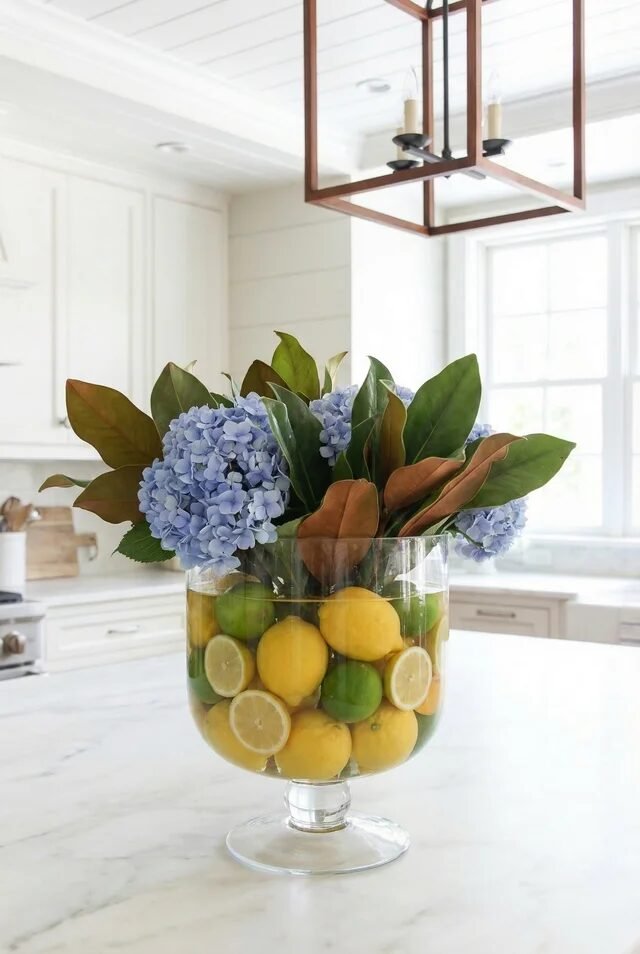
This centerpiece is basically the interior-design version of a glow-up. The magic comes from stacking layers inside a transparent vessel, which instantly creates depth and visual intrigue. Instead of hiding the base of the arrangement, the lemons and limes become part of the decorative story.
To recreate it, start by filling a wide glass vase with water and layering whole lemons, lime halves, and lemon slices. Using multiple citrus shapes adds rhythm and pattern, especially when the slices press against the glass walls. It turns the vase into a living piece of art.
On top, add large hydrangea blooms and broad leaves for volume. The soft blue flowers contrast beautifully with the yellow citrus, creating a complementary color palette. Contrast is one of the fastest ways to make decor feel intentional rather than random. Suddenly a simple fruit arrangement turns into something that looks suspiciously like it belongs in a lifestyle magazine.
Playful Lemon Floral Arrangement With Garden Vibes
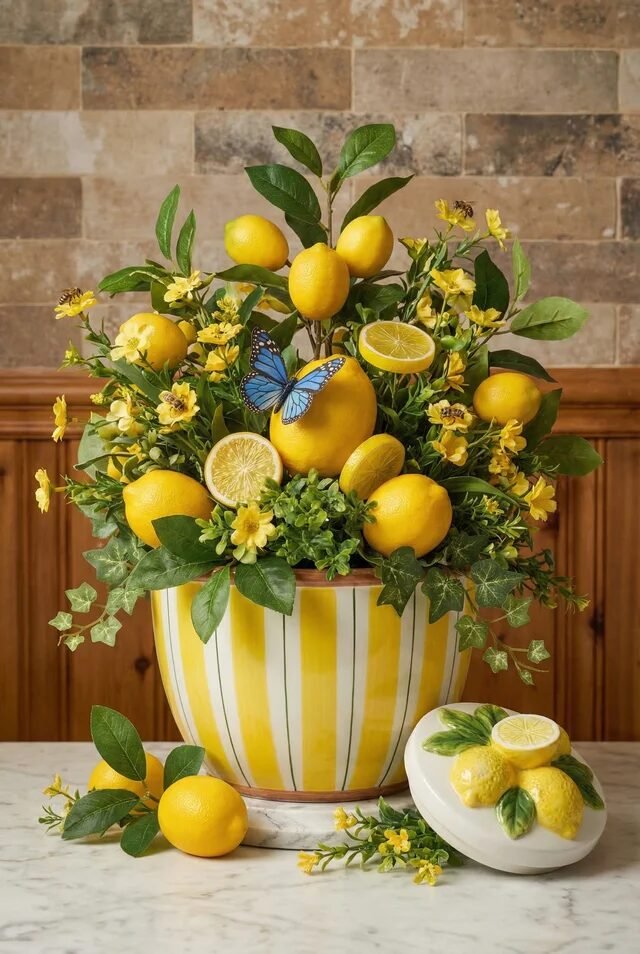
This centerpiece is pure cheerful chaos—in the best possible way. It works because it embraces the “garden gathered” design principle, where elements feel slightly wild rather than overly symmetrical. The lemons, yellow flowers, and greenery create a layered composition that feels lively and spontaneous.
Start with a bold planter or decorative pot that has personality. Containers with patterns or color instantly add visual weight. Then build the arrangement upward using greenery first, followed by flowers and lemons. Design tip: always establish structure with foliage before adding focal elements.
Tuck lemon halves and whole lemons throughout the arrangement so they appear nestled among the stems. That placement makes the citrus feel intentional instead of decorative props. Adding small whimsical details—like a butterfly accent—enhances the storytelling. Decor that tells a little visual story tends to feel memorable and playful rather than purely decorative.
Mason Jar Lemon Centerpiece Farmhouse Tray
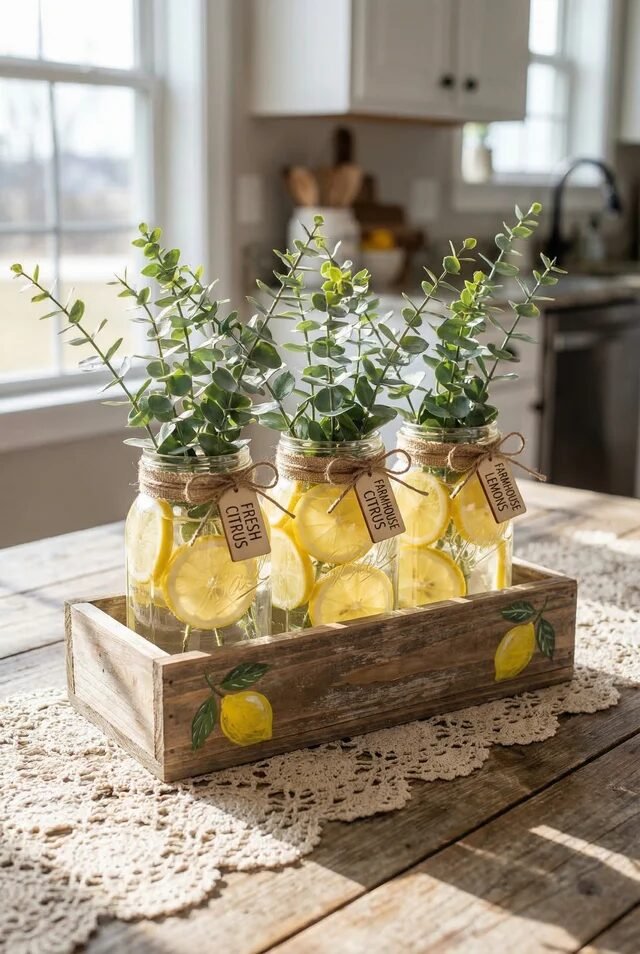
This setup proves that three small arrangements can sometimes outperform one big one. The design works because it uses the rule of repetition, a classic styling trick that instantly makes decor look cohesive. Three mason jars lined up in a tray create a rhythm that guides the eye across the table.
To recreate the look, fill each jar with water and lemon slices pressed against the glass. This simple trick creates beautiful circular patterns that catch the light. Add eucalyptus stems or soft greenery for height. Vertical elements help smaller arrangements feel more substantial.
The wooden tray acts like a visual frame that pulls everything together. It also makes the centerpiece easy to move if someone needs more elbow room during dinner. Grouping smaller elements into one defined container prevents clutter and keeps the table feeling organized. Rustic, charming, and secretly very practical.
Elegant Citrus And Floral Vase Arrangement

This final centerpiece leans slightly more elegant, proving lemons can absolutely dress up when they want to. The secret lies in balancing softness and structure. The rounded fruit provides visual weight at the base while delicate flowers extend upward to create graceful height.
When recreating this style, begin with a decorative ceramic vase that has some visual character—hand-painted motifs or soft Mediterranean patterns work beautifully. Build the arrangement in layers: greenery first, then larger flowers, and finally citrus tucked between stems. Layering from largest to smallest elements keeps arrangements balanced and stable.
Adding complementary fruits like small oranges or pomegranates introduces richer color tones without overwhelming the lemons. This creates a warm palette that feels natural and seasonal. A successful centerpiece usually follows the “focal + support” rule—one main element leads while the others quietly enhance it. Here, lemons are still the star, but the supporting cast absolutely deserves applause.
Fresh Citrus Centerpieces That Brighten Any Table
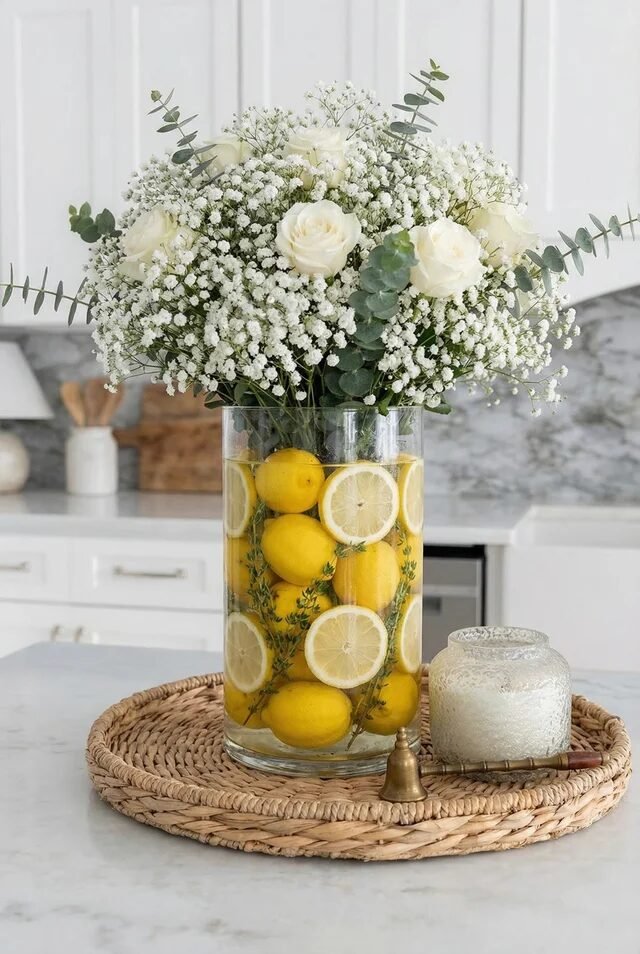
At the end of the day, lemon centerpieces prove that beautiful decor doesn’t have to be complicated or expensive. A handful of lemons, a few branches of greenery, and the right container can create a centerpiece that feels polished without looking overdesigned. Great styling often comes down to thoughtful balance rather than complicated materials.
What makes citrus arrangements so effective is the way they naturally combine color, shape, and texture. The glossy skin of lemons contrasts beautifully with soft leaves, rustic wood trays, glass vases, or ceramic bowls. Mixing textures is one of the easiest ways to make a centerpiece feel layered and visually interesting.
The best part is how flexible these ideas are. You can go rustic with baskets and wooden trays, elegant with glass vessels and florals, or playful with colorful containers and garden-inspired arrangements. When we let natural ingredients lead the design, the table ends up feeling vibrant, welcoming, and effortlessly styled.