
How Smart Sunroom Designs Improve Comfort, Mood, And Flow
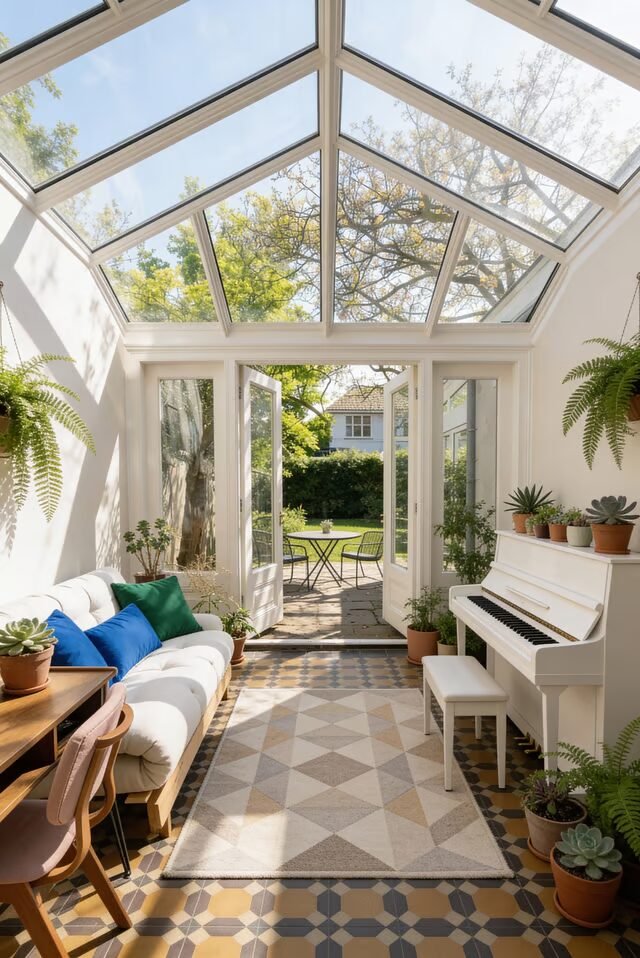
Sunrooms are no longer just bonus spaces that exist somewhere between indoors and outdoors. They have evolved into intentional extensions of daily life, designed to support how we relax, work, gather, and recharge. The most successful sunroom ideas start with understanding light first, because sunlight defines mood, energy, and how every material behaves throughout the day.
Furniture placement, ceiling height, window orientation, and texture choices all work together to control brightness rather than fight it. A good sunroom feels calm at noon and cozy at dusk without needing constant adjustments. Plants soften architecture, textiles absorb glare, and thoughtful zoning prevents the space from feeling like a furniture showroom.
When we design sunrooms properly, they stop feeling seasonal and start feeling essential. Whether styled for lounging, dining, creating, or hosting, a well-designed sunroom supports slower moments and spontaneous ones equally well. It becomes the room people gravitate toward naturally, without needing an invitation.
Cozy Covered Sunroom With Lounge Vibes
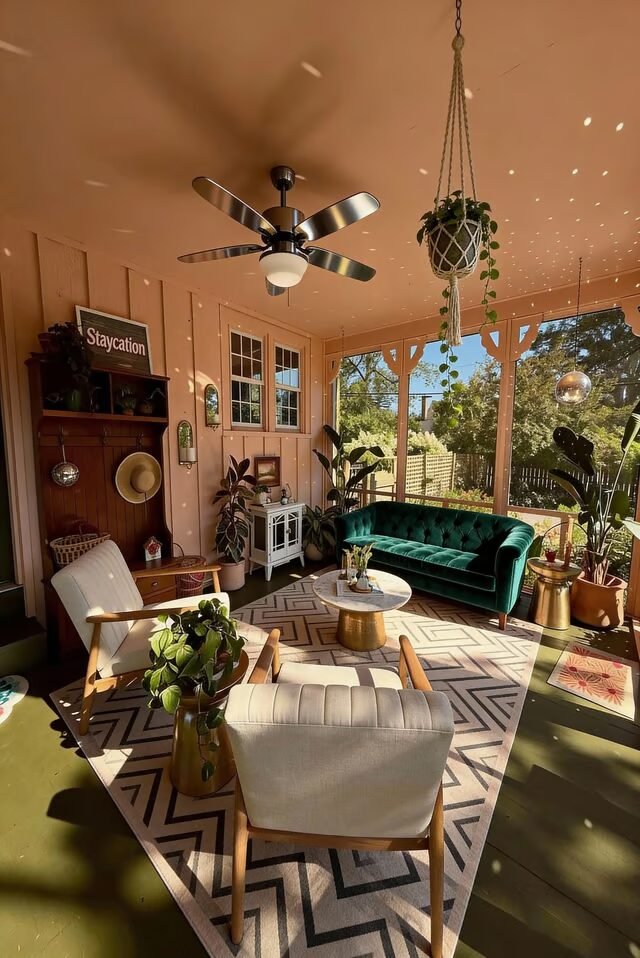
This sunroom nails the feeling of an indoor-outdoor living room without forcing us to commit to bugs, heat, or weather drama. The core design principle here is comfort-first zoning, where furniture is arranged like a proper living room instead of patio leftovers.
Upholstered seating, a grounded area rug, and a central coffee table visually anchor the space, making it feel intentional rather than temporary. Notice how greenery is layered at different heights, which softens hard lines and keeps the room from looking flat. Ceiling fans and soft overhead lighting solve airflow and glare issues, proving function can still look cute. Color-wise, warm neutrals paired with deep greens create calm contrast without screaming “nature theme.”
If you want to recreate this, start by treating the sunroom like a living room that just happens to have more windows. Add indoor-grade furniture, not outdoor-only pieces, and prioritize textures that invite lounging. We’re basically designing a space that says “stay longer,” and honestly, that’s the highest compliment a sunroom can get.
Glass Roof Sunroom For Golden Hour
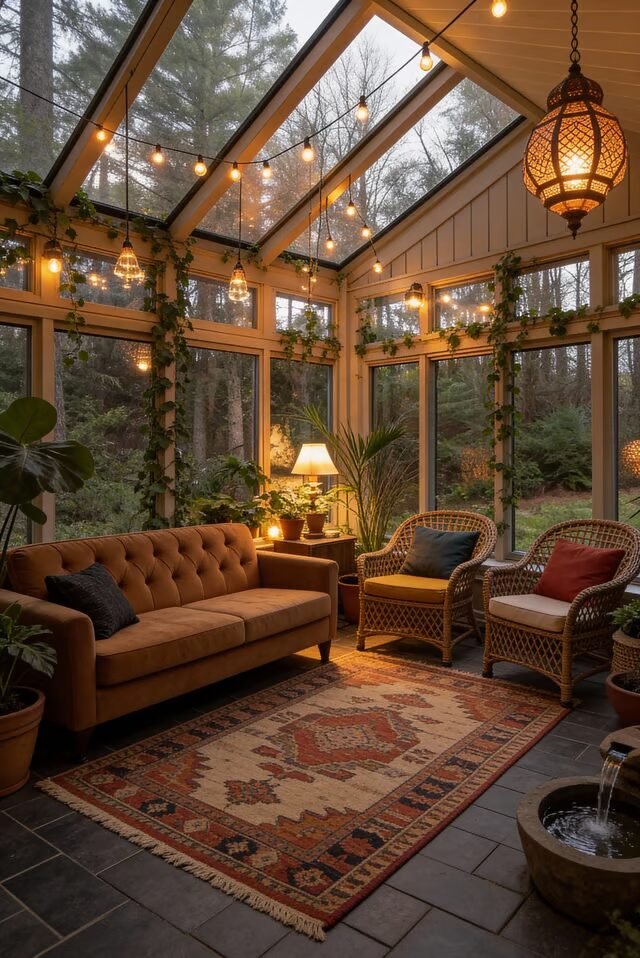
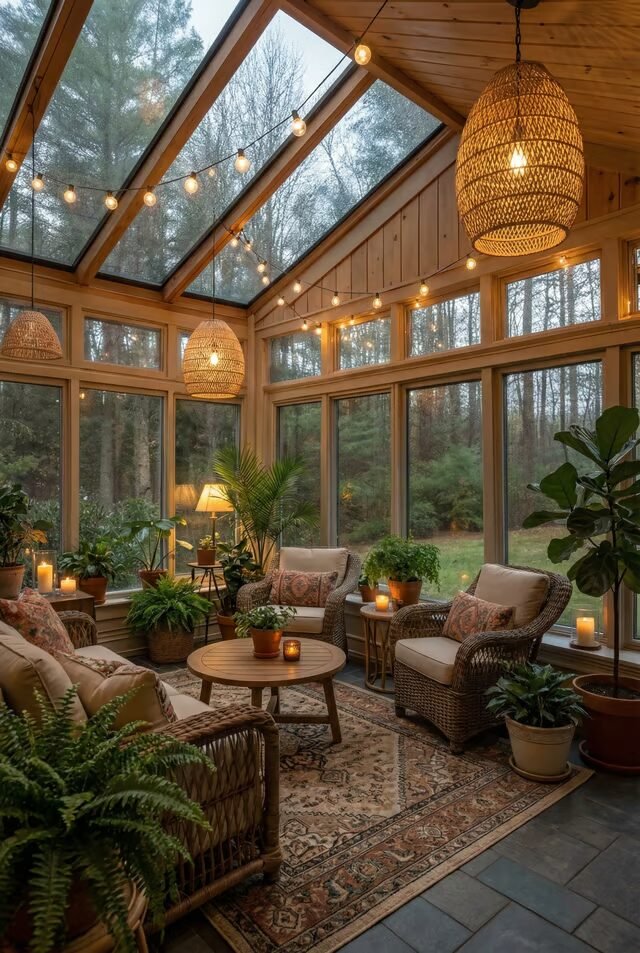
This sunroom is basically golden hour in architectural form, and the secret lies in maximizing vertical light flow. A glass ceiling paired with tall windows allows sunlight to move through the space all day, creating dynamic shadows that change the mood without changing decor.
Warm ambient lighting is layered intentionally, so when daylight fades, the vibe doesn’t disappear with it. String lights, pendants, and table lamps work together to keep the space glowing instead of gloomy. Furniture stays low-profile to avoid blocking sightlines, which is key when views are the star of the show. Natural materials like rattan and soft textiles balance all that glass, preventing the room from feeling cold or echo-y.
To recreate this look, think less about adding decor and more about editing it. Let light be the main character, keep colors warm and grounded, and remember that reflective surfaces quietly amplify brightness. We’re not overdecorating here, we’re letting the sun do the heavy lifting.
Sunroom Turned Creative Studio
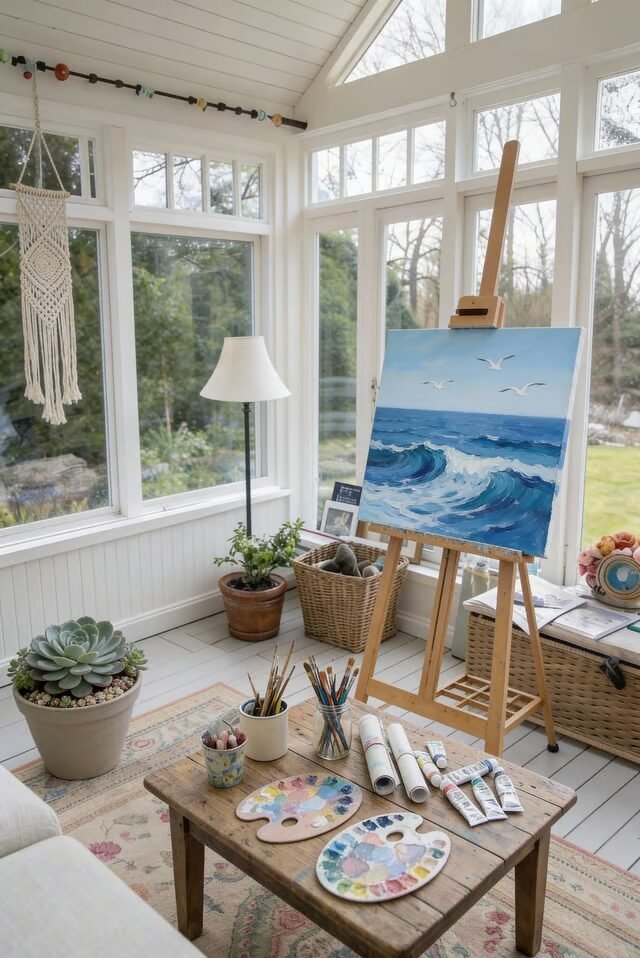
Turning a sunroom into a creative studio works because natural light improves focus, color accuracy, and mood. This setup leans into that by keeping the palette soft and neutral, letting the artwork and tools provide visual interest instead. The design principle at play is functional minimalism, where every item earns its spot.
Open floor space allows flexibility, while low furniture keeps the room airy and calm. Storage baskets hide clutter without killing the vibe, which is crucial because creativity thrives in organized chaos, not actual chaos. Placing the easel near windows ensures even daylight, reducing harsh shadows that mess with color perception.
Textures like woven baskets and soft rugs add warmth so the room doesn’t feel like a sterile studio. If you’re recreating this, resist the urge to over-style. Let tools be decor, keep colors light, and design for movement. We’re building a space that invites making things, not just looking aesthetic on Pinterest.
Built-In Bench Family Sunroom
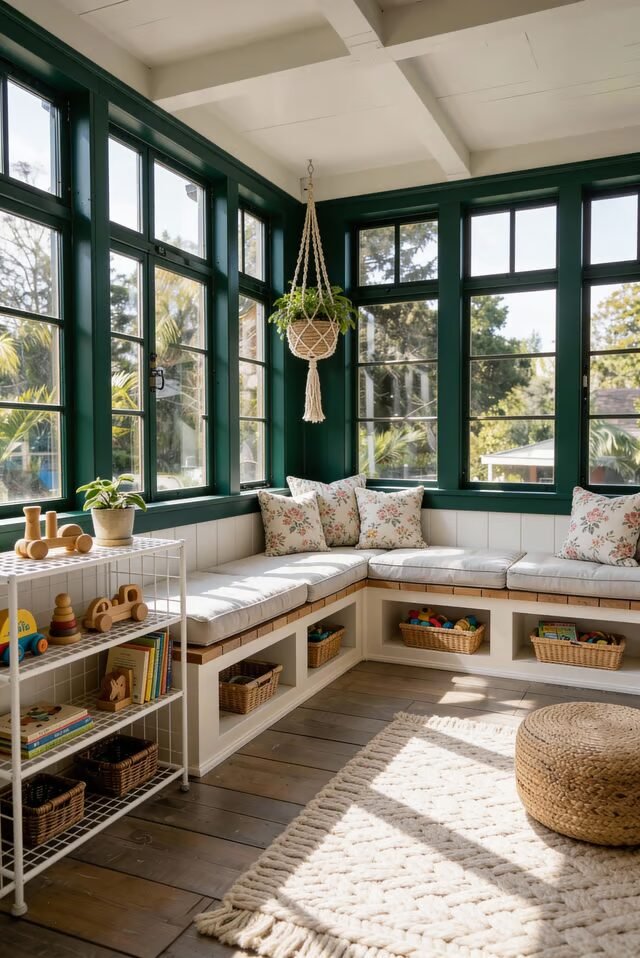
This sunroom proves that built-in seating is a small-space superpower. By running benches along the windows, the design maximizes seating without cluttering the floor with bulky furniture. The principle here is edge activation, where walls and corners are used intentionally instead of wasted.
Cushions soften the structure, while under-seat storage keeps toys and books out of sight but within reach. Color contrast between deep window frames and light upholstery adds depth without visual noise. Natural light is diffused rather than overwhelming, thanks to strategic window framing and soft textiles.
This makes the space kid-friendly without feeling chaotic. To recreate this, think built-ins first, movable furniture second. Prioritize durability, washable fabrics, and rounded edges. The result is a sunroom that adapts to reading time, playtime, or quiet coffee moments. We’re designing for real life here, not just photos, and that’s why it works so well.
Modern Sunroom With Playful Touches
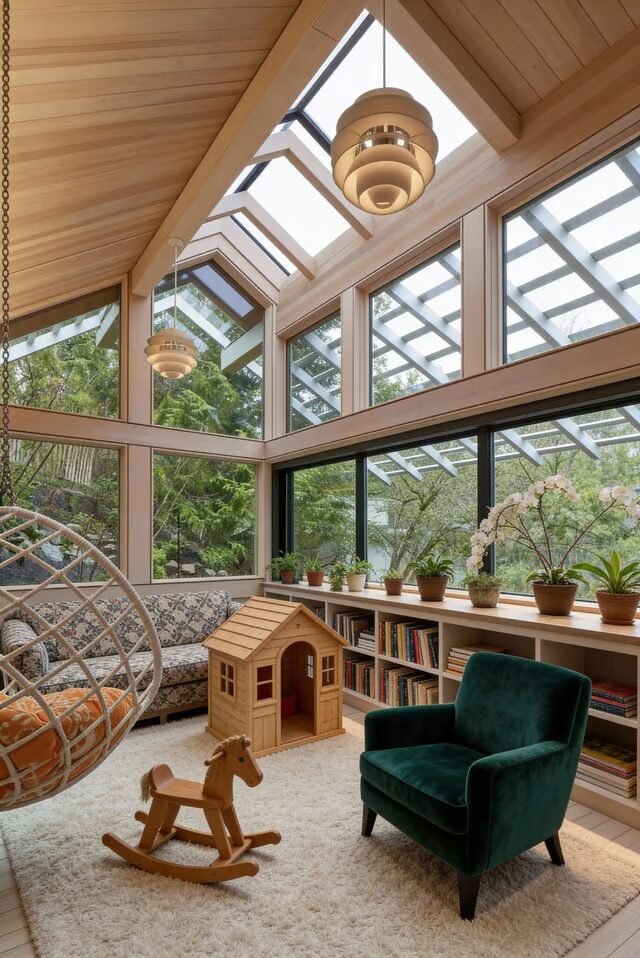
This sunroom balances modern architecture with playful warmth by following contrast control as its main design principle. Clean lines, structured shelving, and geometric windows create order, while soft rugs, rounded furniture, and natural wood introduce comfort.
The key move is keeping the color palette restrained so playful elements don’t feel chaotic. Natural light is framed, not flooded, which helps the space feel calm even with multiple functions happening at once. Low seating keeps the room grounded, while vertical shelving draws the eye upward, making the ceiling feel taller. If you want this look, focus on mixing sharp and soft elements intentionally.
Don’t decorate everything, curate it. Leave breathing room between objects so the space doesn’t feel overstimulating. We’re proving that a sunroom can be stylish, functional, and family-friendly without sacrificing aesthetics. Basically, it’s modern design that doesn’t take itself too seriously, which honestly makes it way more livable.
Elegant Dining Sunroom Moment

This sunroom proves that dining spaces don’t need walls to feel refined or intentional. The key design principle here is symmetry, created through balanced seating, a centered round table, and a single pendant acting as a visual anchor. Upholstered chairs soften the formality, making the space suitable for both slow breakfasts and extended dinner conversations.
Glass tabletops allow light to pass through, preventing the room from feeling visually heavy despite multiple furniture pieces. Stained glass panels add architectural interest while filtering sunlight, which reduces glare and creates a naturally calm atmosphere. Plants are placed strategically to frame the table instead of crowding it, reinforcing clear circulation paths.
Flooring with subtle pattern variation grounds the setup without stealing focus from the view. To recreate this look, scale matters most. Choose a table size that maintains comfortable spacing around chairs and keeps walkways open. We’re designing a sunroom that feels deliberate, not accidental. The result feels elegant but relaxed, polished without being stiff, and incredibly livable.
Romantic Cottage Sunroom Glow

This sunroom shows that softness can be a powerful design decision, not just a mood choice. The entire space relies on diffused light, achieved through sheer curtains, warm-toned bulbs, and pale upholstery that reflects instead of absorbs brightness. Wicker furniture introduces texture while keeping visual weight low, which prevents the room from feeling cluttered.
Layered lighting is essential here, allowing the sunroom to stay cozy once natural light fades. Muted blush tones are used sparingly so they feel romantic rather than overly sweet. Candles and lanterns placed at varying heights create rhythm and visual warmth across the room. The rug anchors the seating area and adds softness underfoot, reinforcing comfort. To recreate this, avoid high-contrast colors.
Stick to one tonal family and build depth using fabric, weave, and light sources. We’re not chasing drama or bold statements here. This space works because it feels intimate, calm, and intentionally slow, like it was designed for evenings that stretch longer than planned.
Warm Boho Sunroom Retreat

This sunroom embraces material-led design, where texture does more work than color ever could. Terracotta flooring grounds the space visually and emotionally, while layered textiles soften seating and encourage relaxation. The furniture layout favors face-to-face interaction, reinforcing the room’s social purpose.
A wood-paneled ceiling visually lowers the height, making the sunroom feel cozy despite expansive windows. Plants are treated as architectural elements, guiding sightlines and softening transitions between zones. Patterned rugs anchor the long layout and prevent the room from feeling like a hallway with furniture. Color repetition across pillows, rugs, and ceramics creates cohesion without looking overly styled.
To recreate this look, start with one dominant texture and build outward slowly. Avoid sleek finishes and overly modern shapes. We’re aiming for collected, not curated. This sunroom feels grounded, personal, and slightly imperfect, which is exactly why it feels welcoming. It invites people to sit, stay, and forget what time it is.
Bright Entertaining Sunroom Lounge
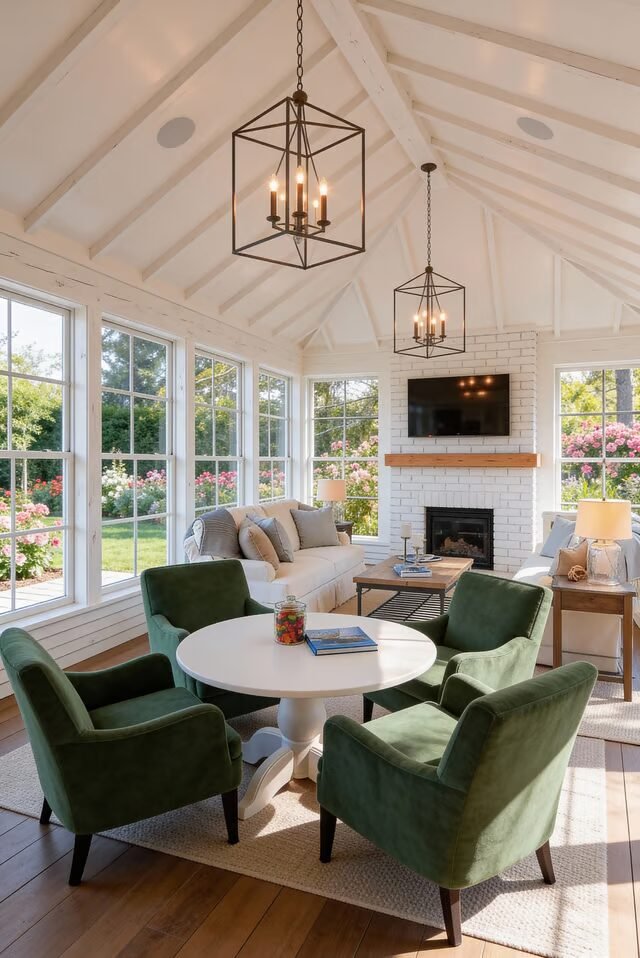
This sunroom works because clear zoning turns openness into structure, not chaos. Seating is arranged around a central table, creating a natural social hub that encourages conversation. The fireplace acts as a visual anchor, grounding the room and adding warmth beyond temperature.
Consistent window spacing establishes rhythm, preventing the glass-heavy space from feeling overwhelming. Accent chairs introduce color contrast while maintaining a cohesive palette. Lighting is intentionally scaled larger to balance the room’s volume and keep it intimate at night. Rugs define zones without cutting the space into awkward sections.
To recreate this, think like a host first and decorator second. Ask where people gather, pause, and move naturally. We’re designing circulation, not just furniture placement. This sunroom succeeds because it adapts easily, functioning equally well for casual mornings, busy afternoons, and evenings that turn into long conversations without effort or rearranging.
Casual Coastal Sunroom Seating

This sunroom proves that relaxed design still needs visual discipline to feel intentional. The color palette stays limited, allowing texture and pattern to shine without competing. Rattan seating keeps the room light and breathable, both physically and visually.
A bold striped ottoman acts as a flexible anchor, serving as seating, table, or footrest when needed. Window framing pulls outdoor colors inside, reinforcing the connection to the garden beyond. Brick and stone elements ground the space so it doesn’t drift into beach-house cliché. Accessories are minimal but purposeful, maintaining clarity across sightlines.
To recreate this look, commit early to your palette and resist adding extras later. Choose one standout pattern, pair it with neutrals, and let daylight do most of the work. We’re designing a sunroom that feels effortless, adaptable, and calm, perfect for unwinding without feeling unfinished or overly styled.
Designing A Sunroom That Actually Gets Used
A beautiful sunroom means nothing if no one wants to spend time there. The difference between a decorative sunroom and a livable one lies in comfort, flow, and intention. Every successful sunroom idea balances aesthetics with real-life behavior, from how people move through the space to how long they comfortably stay.
Seating must invite lingering, not just looking. Lighting should transition smoothly from day to night. Materials need to handle sunlight, temperature shifts, and everyday use without constant maintenance. When zones are clearly defined, the room adapts effortlessly to different moments instead of feeling locked into one purpose.
Sunrooms work best when they feel flexible, not precious. We design them to host quiet mornings, casual conversations, creative afternoons, and unplanned downtime. When those needs are met, the sunroom becomes more than a design feature. It becomes the emotional center of the home, quietly supporting everyday life without demanding attention.