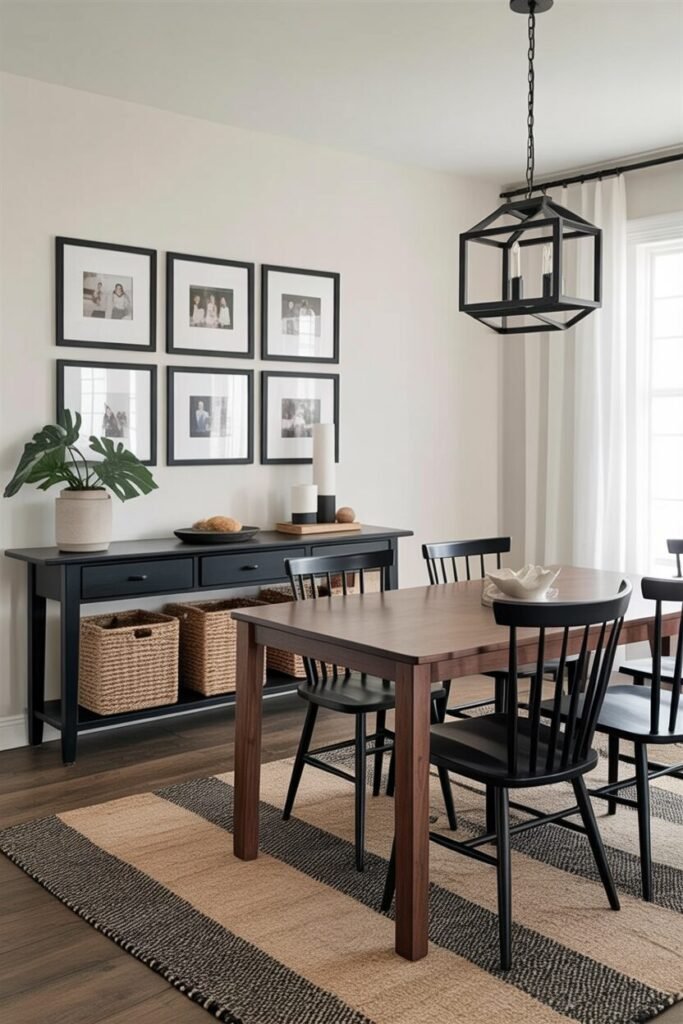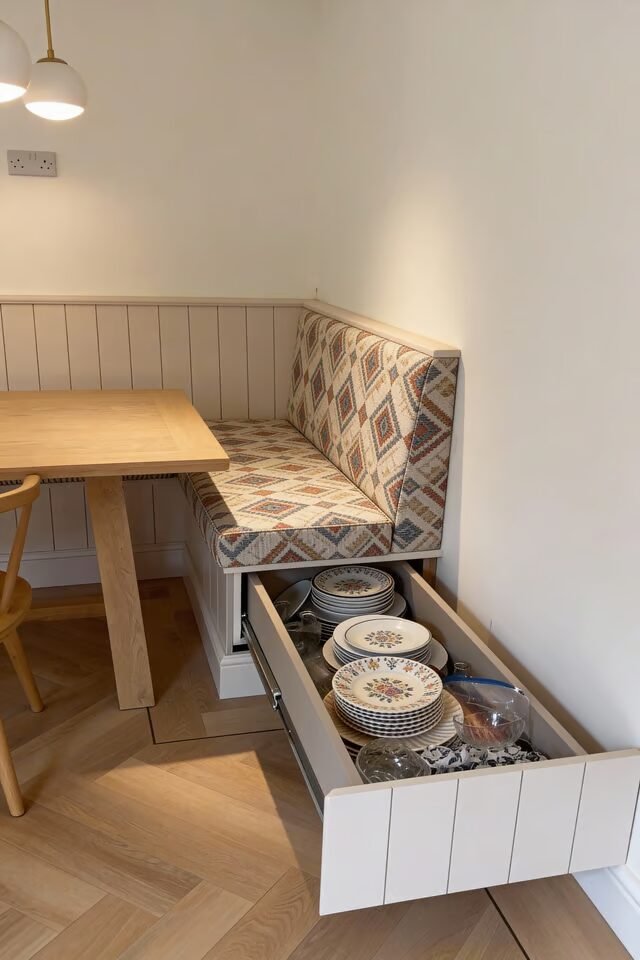

Smart Small Dining Room Designs Using Layout, Lighting, and Proportion
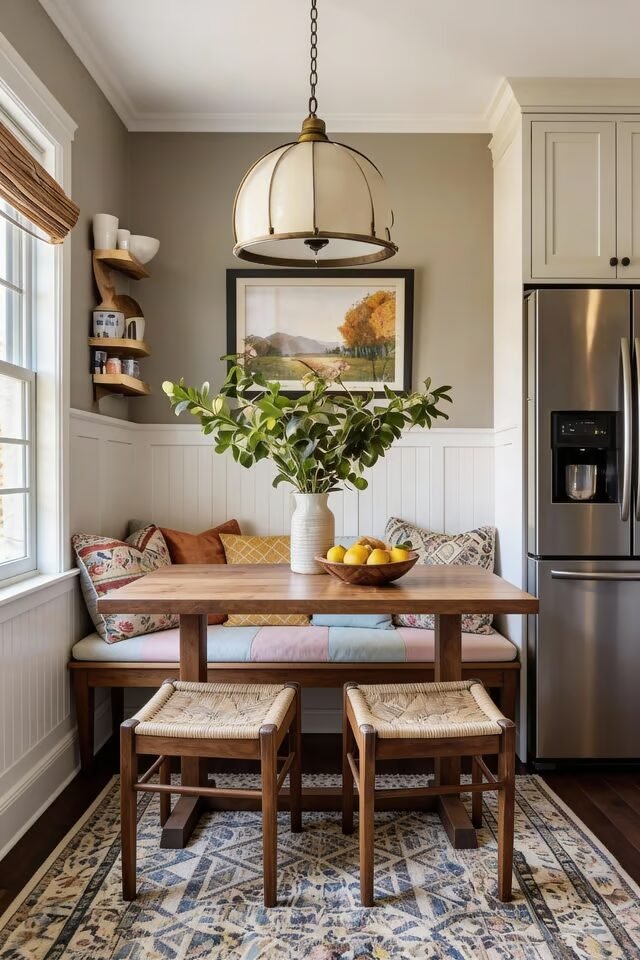
Small dining rooms often get underestimated, but honestly, they’re one of the most exciting spaces to design. When square footage is limited, every decision matters more, and that’s where good design principles really shine. Instead of focusing on what we don’t have, we focus on proportion, flow, and visual clarity.
Smart furniture choices, thoughtful lighting, and intentional layouts can completely change how a small dining area feels and functions. We’re talking round tables that improve circulation, built-in seating that saves space, mirrors that visually expand the room, and layered lighting that creates depth without clutter.
The key is designing with purpose, not just decoration. When every element has a job to do, the room instantly feels calmer, larger, and more expensive. Small dining rooms aren’t about compromise. They’re about strategy, creativity, and knowing which details actually move the needle. And once you get that right, the size stops mattering altogether.
Soft Pendant Lighting Round Table Magic
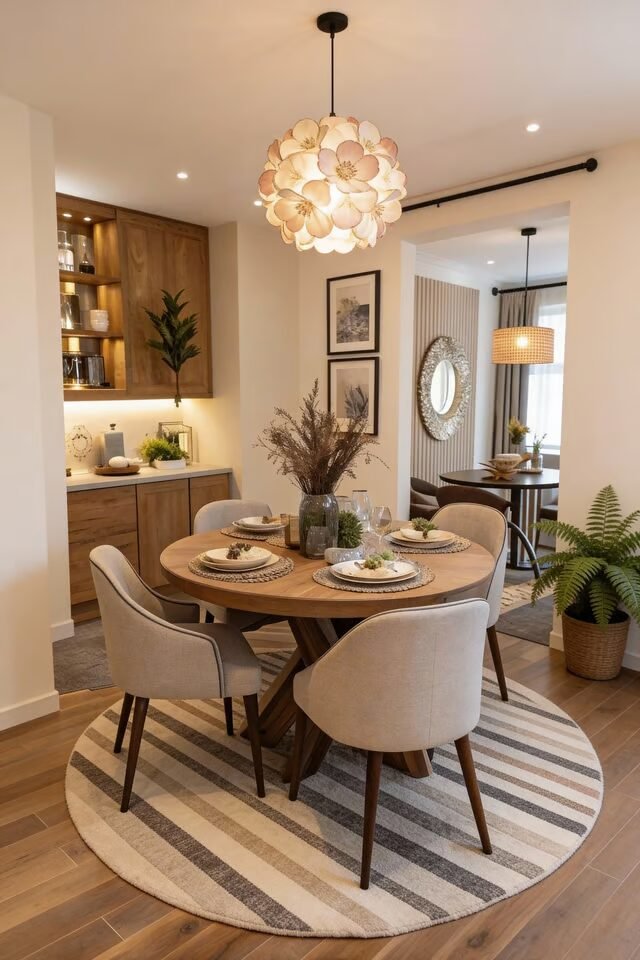
Small dining rooms instantly level up when we anchor the space with a round table and a sculptural pendant light. The round shape is pure space-saving genius because it removes sharp corners and keeps circulation smooth, which is a core spatial flow principle in compact interiors. Notice how the pendant hangs low and centered.
That’s not just for vibes. Low-hanging lighting visually lowers the ceiling plane over the table, creating intimacy and making the room feel intentional, not accidental. We also love the consistent warm wood tones, because material repetition reduces visual noise, which is key in small rooms. Upholstered chairs add softness and absorb sound, helping the space feel calmer and less echoey.
Pro tip: always place a round rug slightly larger than the table to define the dining zone without walls. This setup proves you don’t need more square meters, just smarter geometry and lighting choices. Small room, big main-character energy, honestly.
Built-In Bench For Space Efficiency
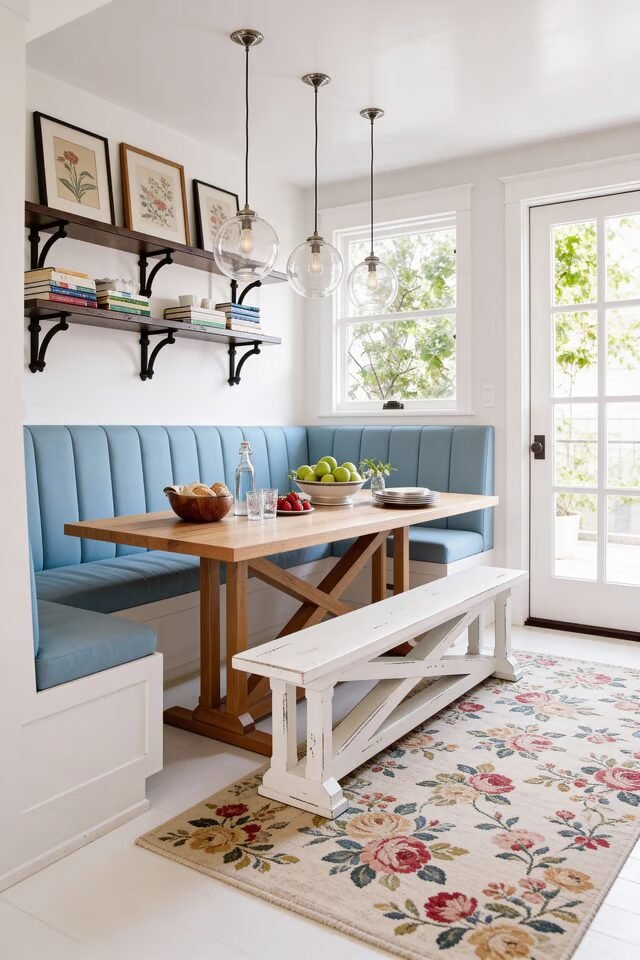
If small dining rooms had a cheat code, it would be built-in seating. A banquette hugs the wall, freeing up precious floor space while seating more people than individual chairs ever could. That’s space optimization 101. The vertical channeling on the bench adds subtle texture, which keeps the design interesting without clutter.
We’re also seeing a perfect example of visual balance here: light walls, light upholstery, and a simple wood table prevent the room from feeling boxed in. Pendant lights aligned in a row create rhythm and guide the eye horizontally, making the room feel wider. Floating shelves above the bench are another smart move.
They use vertical space without adding bulk, and styling them lightly avoids visual overload. Extra insight: add hidden storage under the bench if possible. Functional, aesthetic, and secretly genius. This is small-space multitasking done right.
Cozy Scandinavian Dining Nook Setup
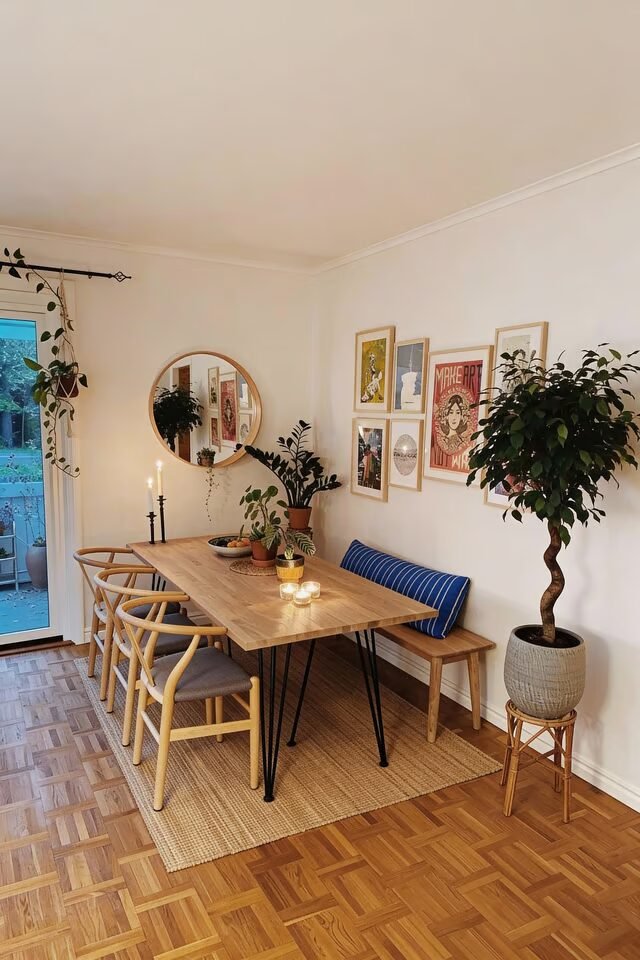
This setup screams “tiny but thoughtful.” The long, narrow table works because it follows the room’s natural proportions, which is a core layout principle we always recommend. Instead of fighting the space, we flow with it. Mixed seating keeps things casual and flexible, while the bench visually disappears compared to bulky chairs.
The neutral color palette is doing heavy lifting here. Light woods and soft whites reflect light, making the room feel brighter and larger. Wall art is arranged gallery-style but kept cohesive, proving that controlled variety beats random decor every time.
Plants add organic contrast, which prevents the space from feeling flat or overly minimal. And yes, candles. They’re not just aesthetic. Warm point lighting creates depth, especially in smaller rooms. Our tip: keep table legs slim and airy to maintain visual lightness. Cozy, curated, and zero wasted space.
Farmhouse Texture In Compact Rooms
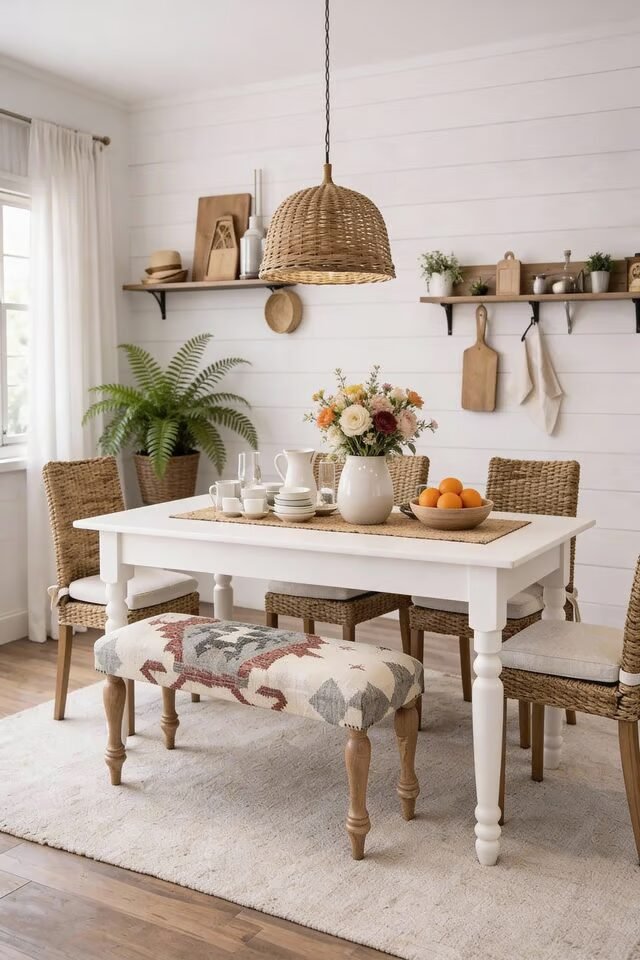
Small dining rooms love farmhouse style when it’s done with restraint. The secret here is texture layering without color overload. Woven chairs, a textured bench, and soft linens create depth while staying within a tight neutral palette. This follows the harmony principle, where elements differ in texture but align in tone.
The rectangular table works because there’s still generous clearance around it, which is crucial for usability in tight layouts. Open shelving keeps the room breathable while displaying functional decor, reinforcing the idea that every item should earn its place.
The woven pendant adds warmth and acts as a focal point without overpowering the room. Extra tip: always anchor farmhouse spaces with a rug to soften hard surfaces and define the dining zone. This look proves small rooms don’t need less character, just better-edited character.
Natural Light With Rounded Furniture
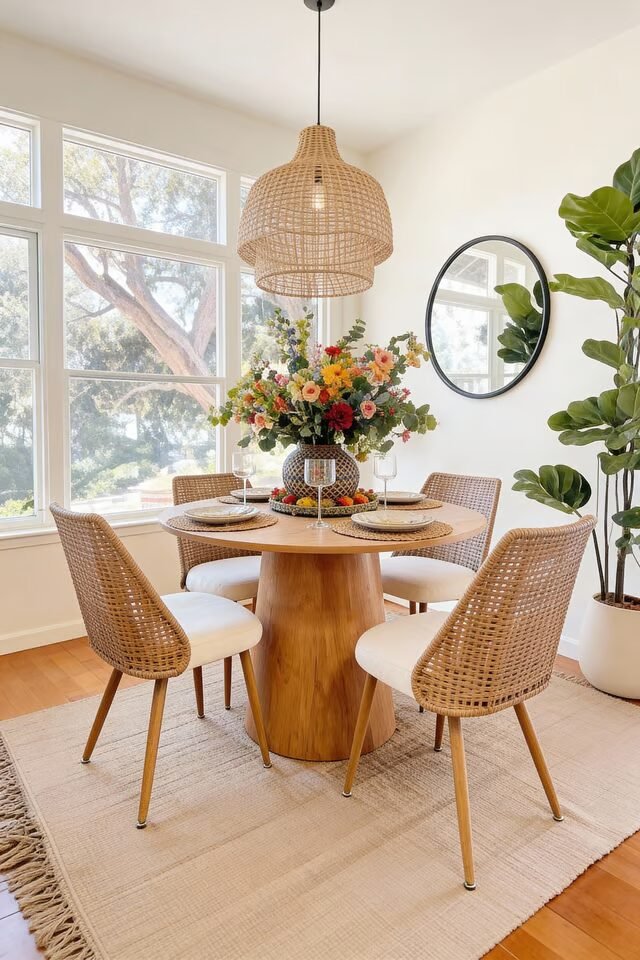
Natural light is basically free square footage, and this room uses it like a pro. Large windows combined with light walls maximize brightness, making the space feel open and airy. The round pedestal table is a standout because single-base tables reduce visual and physical clutter, perfect for compact layouts.
Woven chairs keep the look lightweight while adding texture, balancing comfort and style. The oversized pendant draws the eye upward, subtly increasing perceived ceiling height. That’s vertical emphasis, and it works wonders in small rooms. A mirror on the wall reflects light and greenery, doubling visual depth without adding furniture.
Our bonus tip: keep decor minimal but impactful, like one bold floral arrangement. One strong focal point beats five small distractions. This space feels relaxed, intentional, and refreshingly uncluttered. Proof that smart proportions and light management can completely change how a small dining room feels.
Arched Nook With Floating Shelves
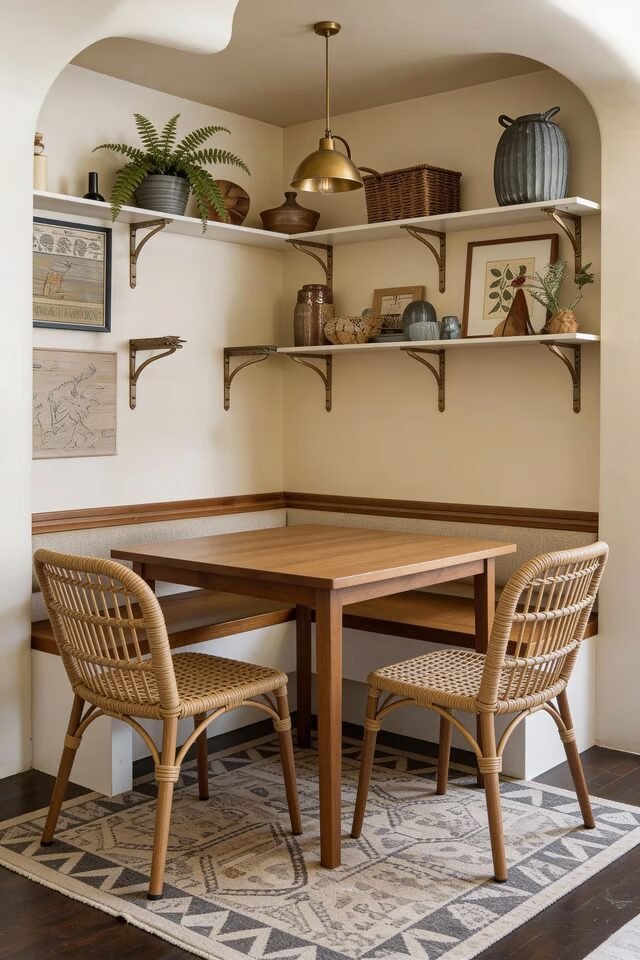
This dining nook is proof that architecture itself can be a space-saving tool. An arched recess automatically defines the dining area without adding walls, which is gold for small homes. We love how floating shelves wrap the corner because they use vertical storage while keeping the floor visually clear.
That’s a classic small-space principle. The compact square table fits perfectly inside the nook, reinforcing proportion and scale so nothing feels oversized or awkward. Woven chairs add texture and warmth, balancing the clean lines of the shelves and table. The pendant light is centered and slightly lowered, which anchors the zone and creates intimacy, even in a tight footprint.
Styling on the shelves stays minimal, following the rule of negative space equals visual breathing room. Extra tip: stick to a tight color palette so decor reads cohesive, not cluttered. This setup feels custom, calm, and quietly expensive, which is exactly the vibe we’re chasing.
Elegant Symmetry For Small Dining Rooms
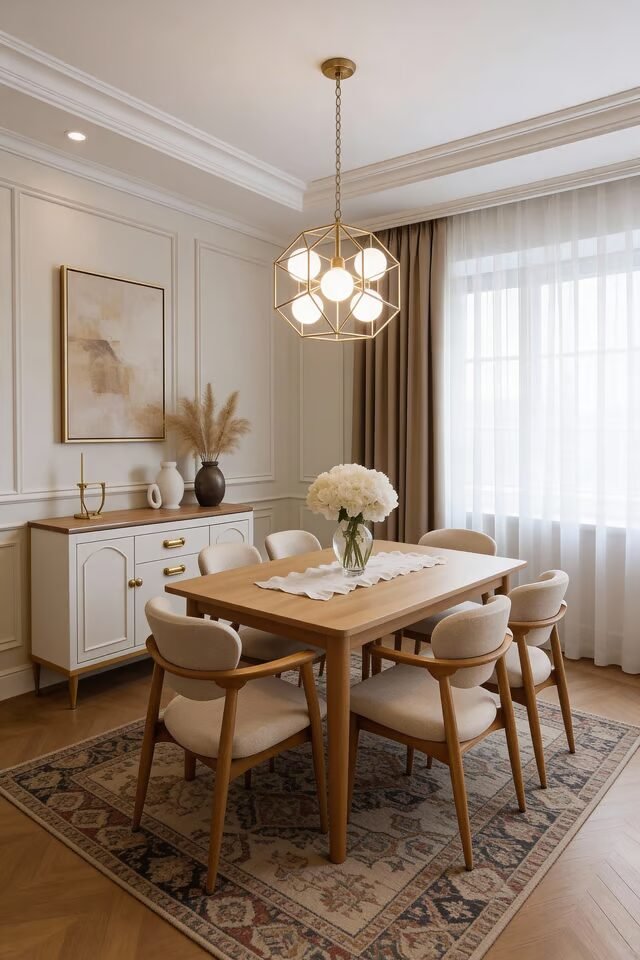
Symmetry is doing serious heavy lifting here. When space is limited, balanced layouts instantly make rooms feel calmer and more intentional. The table sits perfectly centered under a geometric pendant, creating a strong vertical axis that pulls the eye upward. That’s a classic visual hierarchy trick to make ceilings feel higher.
Matching chairs and a neutral palette reduce visual noise, while warm wood tones keep the room from feeling sterile. The sideboard mirrors the table’s finish, reinforcing material continuity, which is key in compact spaces. Curtains are mounted high and wide, allowing natural light to spread evenly across the room.
That’s not accidental, that’s smart design. Our favorite detail is the rug framing the table just enough to define the dining zone without crowding it. If your small dining room feels chaotic, symmetry might be the quiet glow-up you didn’t know you needed.
Kitchen Island Dining Hybrid Solution
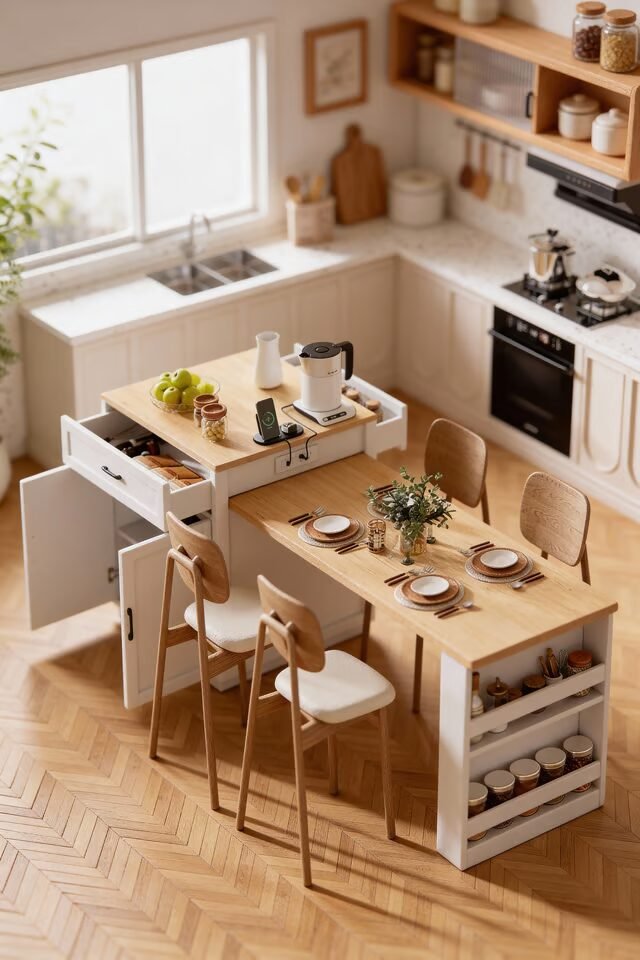
This setup is small-space efficiency at its peak. Combining a dining table with a kitchen island follows the multi-functionality principle, which we swear by for compact homes. Every element here works double duty. Storage drawers, open shelving, and seating all live in one footprint, which saves space without sacrificing function.
The light wood finish keeps everything visually light, preventing the island from feeling bulky. We also love the clear circulation paths, because good layout is about movement, not just furniture. Slim chairs tuck in neatly, maintaining flow around the kitchen.
Natural light from the window boosts brightness and makes the entire space feel larger. Pro tip: keep finishes consistent between kitchen and dining elements so the hybrid design feels intentional, not improvised. This idea proves small dining rooms don’t need less furniture, they need smarter furniture choices.
Mirror Walls To Double Visual Space
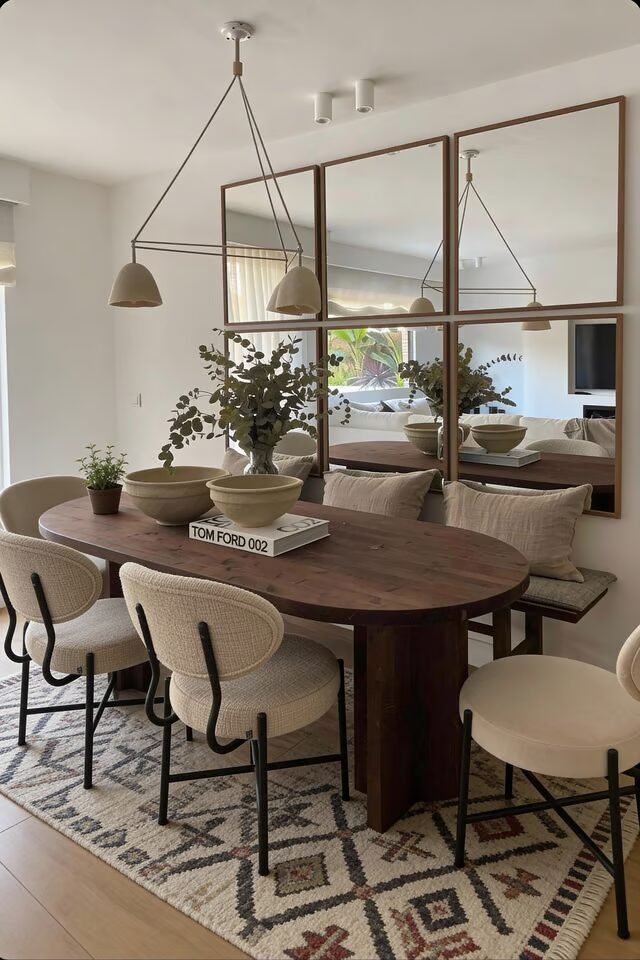
Mirrors are basically legal interior design magic, and this room uses them flawlessly. A full mirror wall instantly doubles visual depth, making the dining area feel twice its actual size. We also get reflected light, greenery, and texture, which adds richness without adding objects.
The oval table softens the strong geometry of the mirrors, creating balance between curves and straight lines. That’s a subtle but powerful form contrast principle. Upholstered chairs keep the look grounded and comfortable, while the neutral palette prevents reflections from becoming visually overwhelming.
The pendant light is minimal and sculptural, reinforcing the focal point without competing with the mirrors. Our tip: always align mirrors with something beautiful, never clutter. Here, they reflect calm, symmetry, and softness. If your dining room feels boxed in, mirrors might be the fastest design upgrade you can make.
Built-In Banquette With Soft Colors
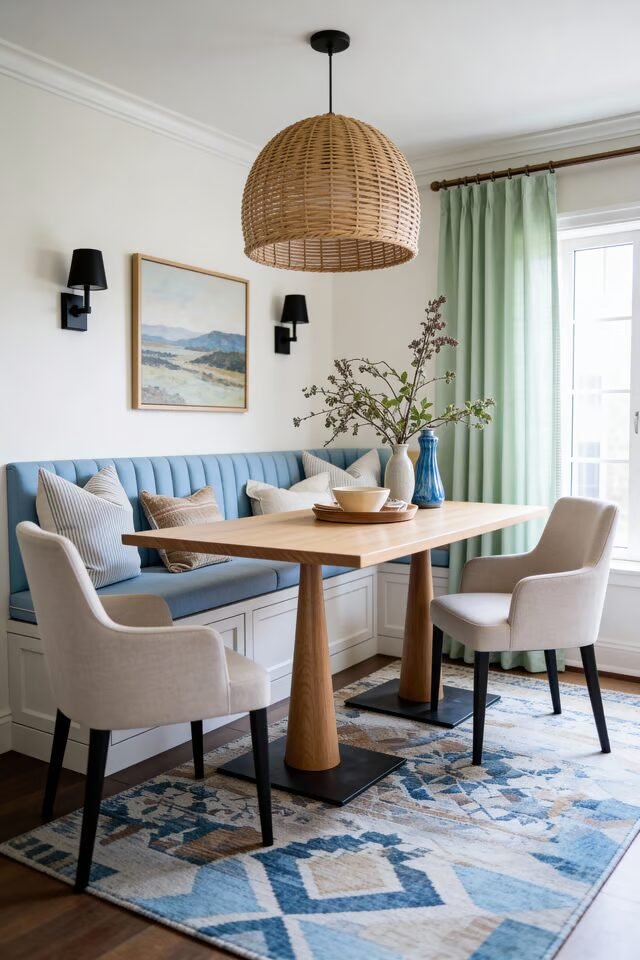
This dining space nails comfort without wasting a single centimeter. Built-in banquettes are a small-room hero because they reduce circulation space while increasing seating. The soft blue upholstery adds color without overwhelming the room, following the low-contrast color principle that helps spaces feel larger.
Notice how the table base is slim and sculptural, keeping legroom open and airy. The woven pendant introduces texture and warmth, balancing the clean lines of the banquette. Wall sconces free up floor and surface space while adding layered lighting, which is essential for depth.
Curtains in a soft tone frame the window without blocking light, maintaining brightness. Our extra tip: use a patterned rug to ground the setup and hide everyday wear. This idea proves that small dining rooms can be cozy, stylish, and incredibly practical at the same time.
Design Smarter, Not Bigger, For Dining Spaces
At the end of the day, great small dining room design comes down to making intentional choices that work harder for you. It’s not about copying a look perfectly, but understanding why it works and adapting it to your own space. Scale, balance, lighting, and material consistency are the quiet heroes behind every successful small dining setup.
When we control visual noise, improve circulation, and define zones clearly, even the tiniest dining area can feel welcoming and well-designed. Built-ins add efficiency, mirrors add depth, soft color palettes keep things airy, and multifunctional furniture keeps the room flexible for real life.
Good design doesn’t scream, it quietly solves problems. If you take one thing away, let it be this: small dining rooms reward thoughtful planning more than big budgets. Once you design with intention, your dining space won’t feel small anymore, it’ll just feel right.