
How Architecture and Interior Design Are Redefining Future Homes
Future home design is no longer about chasing the most extreme technology or the most viral aesthetic. It’s about balance. Across these ideas, we see a clear shift toward homes that feel intelligent, adaptable, and emotionally supportive.
Natural light is treated as a core material, not an afterthought. Spaces are designed to flex, stacking functions vertically or zoning them subtly instead of relying on walls. Materials matter more than trends. Stone, wood, glass, and soft textiles are chosen not just for looks, but for how they age and feel over time. The future home prioritizes how we live, not how we show off.
These designs prove that innovation doesn’t have to feel cold. When comfort, clarity, and intention lead the process, homes become places that support routines, creativity, and rest all at once. This is where future living stops being a concept and starts becoming a lifestyle.
Glass-Walled Winter Living Sanctuary
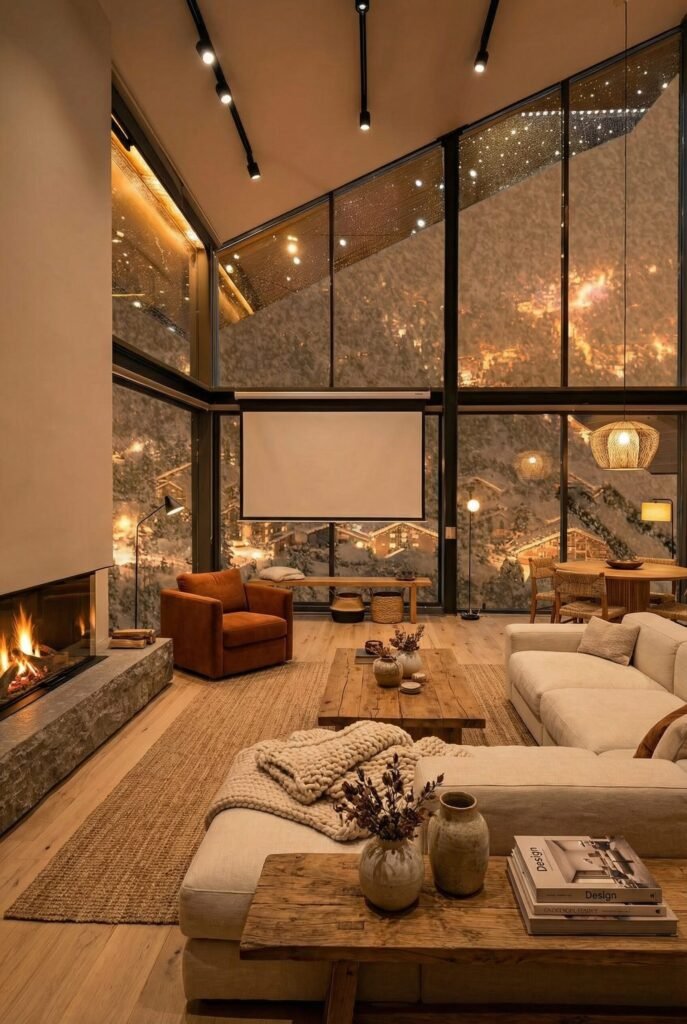
This idea screams “future cabin energy” but with serious design logic behind it. The core principle here is visual openness paired with thermal comfort, and yes, both can coexist peacefully. Floor-to-ceiling glass maximizes daylight and scenic views, which psychologically boosts mood and makes interiors feel expansive even during long winters.
The balance comes from anchoring the space with warm materials like oak floors, woven rugs, soft throws, and low-profile upholstered seating. Lighting is the silent hero. Layered lighting using recessed ceiling spots, wall washers, and table lamps prevents the space from feeling flat or cold after sunset.
We also love how a neutral, earthy palette allows the exterior landscape to act as living art. To recreate this look, prioritize high-performance glazing, thermal curtains, and low furniture heights to keep sightlines open. Cozy isn’t about adding more stuff, it’s about smart contrast and material harmony done intentionally.
Biophilic Bathroom With Natural Calm
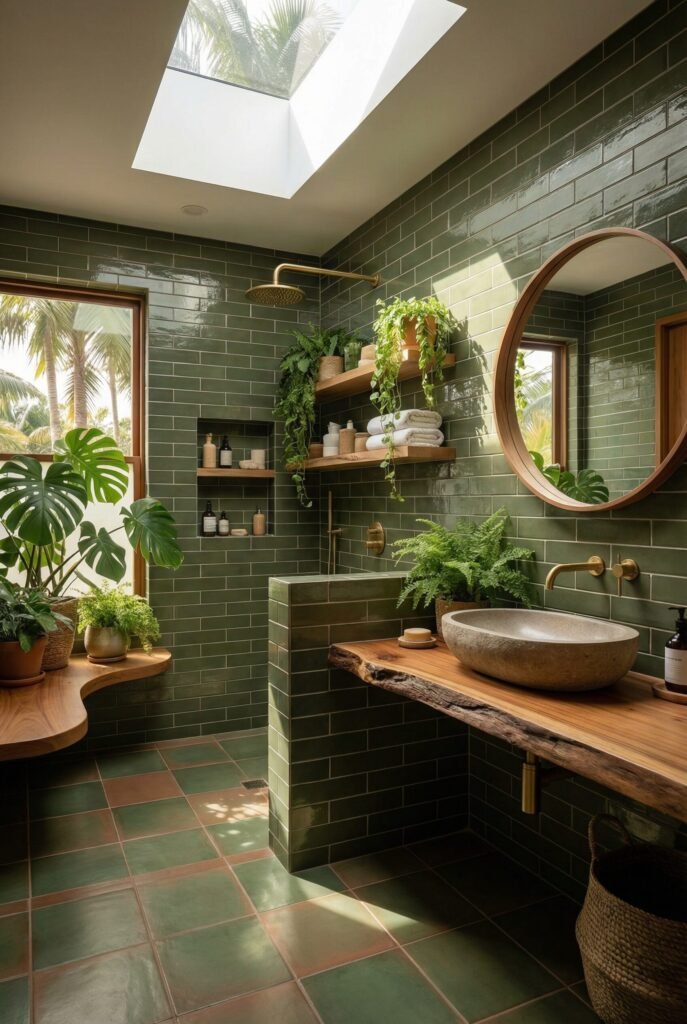
This bathroom proves the future is basically nature, but upgraded. The main principle here is biophilic design, which uses natural elements to reduce stress and improve daily routines. Green tiles work beautifully because they sit mid-spectrum, calming the nervous system without putting you to sleep.
Skylights introduce vertical daylight, which makes the room feel taller, cleaner, and more alive. Wood accents balance the glossy tile surfaces so the space doesn’t feel overly clinical. Plants here are functional design elements, not just aesthetic accessories.
They soften acoustics, regulate humidity, and visually slow the space down. If you want to recreate this look, choose sealed natural materials and humidity-tolerant plants like ferns or pothos. We’re big believers that future bathrooms should feel restorative, not transactional. If your bathroom lowers your stress, it’s already doing half the work.
Cozy Reading Nook With Arched Soul
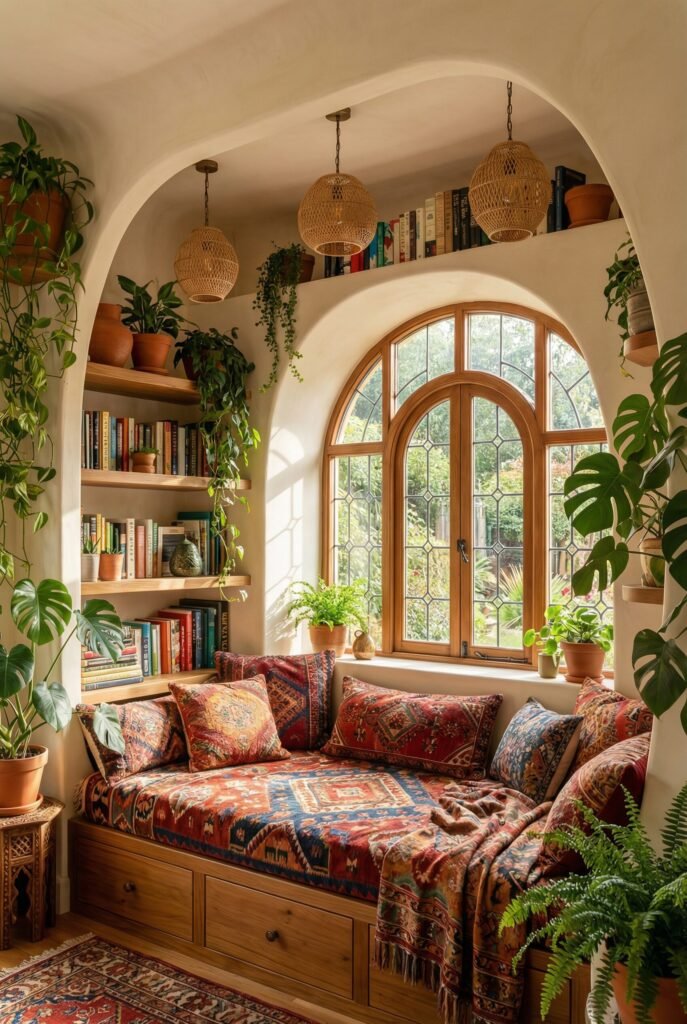
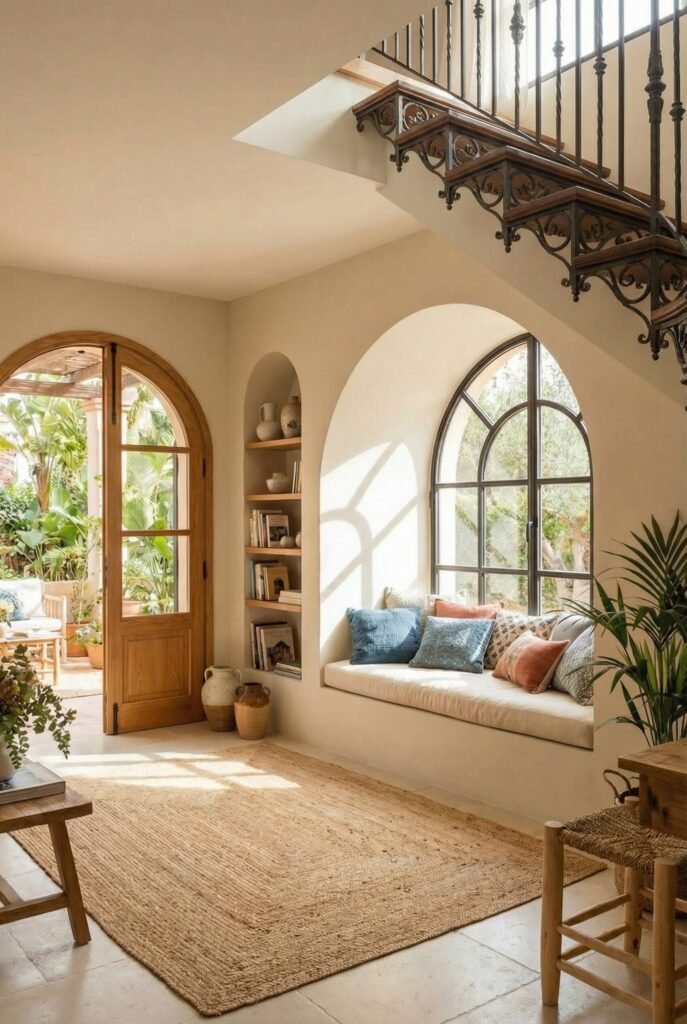
This space understands something deeply human: curves make us feel safe. Arches soften visual transitions and guide the eye naturally, which creates emotional comfort. The core principle here is enclosure without isolation, giving you privacy without cutting you off.
Built-in seating establishes a clear function while saving space and reducing visual clutter. Vertical shelving pulls the eye upward, making the nook feel taller and more intentional. Layered textiles, from cushions to throws, add tactile warmth that balances the structured architecture.
This is how you design small spaces that feel designed, not accidental. For recreation, maintain symmetry around the arch and use warm indirect lighting to enhance texture. We recommend keeping colors earthy so the space feels grounded, not busy. This is less about reading books and more about designing moments you actually want to stay in.
Vertical Living With Smart Sleep Zones
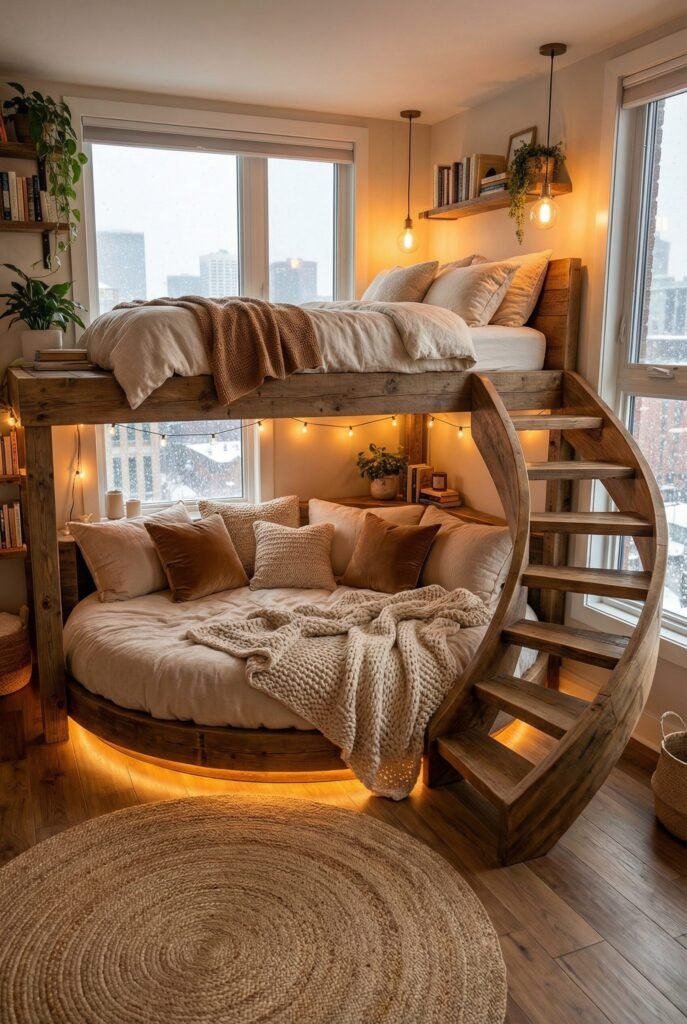
This is future-forward small-space design at its smartest. The guiding principle here is vertical zoning, stacking functions instead of spreading them out. Separating sleep above and lounge below maximizes usability without expanding square footage.
Curved stairs soften circulation and prevent the space from feeling rigid or industrial. Integrated LED lighting under platforms adds depth while improving nighttime safety. Every surface here works overtime, from built-in shelving to structural headboards.
When recreating this idea, consistency matters. Keep wood tones cohesive and step dimensions uniform to maintain visual calm. Safety rails should blend into the design, not feel like afterthoughts. We love how this concept rejects the idea that small apartments are temporary. The future of compact living is intentional, elevated, and surprisingly cozy when done right.
Outdoor Kitchen As Social Engine
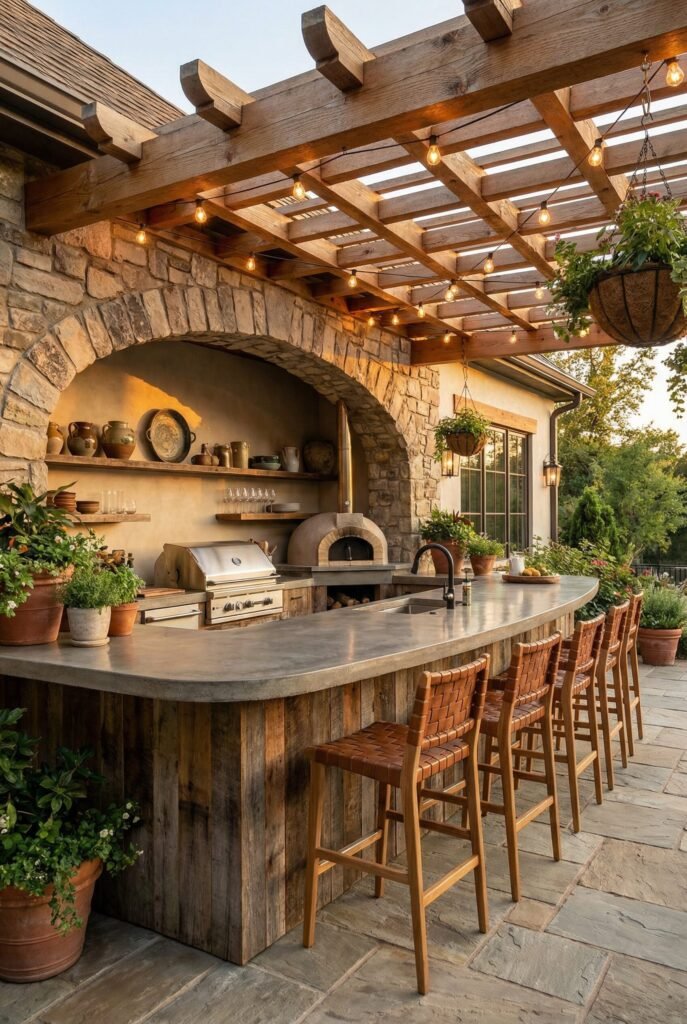
This is not just an outdoor kitchen, it’s a social blueprint. The key principle is hospitality-driven layout, where design encourages connection without forcing it. The curved island improves circulation and naturally pulls people together. Material mixing is crucial here.
Stone offers durability, wood adds warmth, and metal ensures longevity. Pergolas define the space without blocking airflow, creating comfort without enclosure. Lighting controls the vibe, transforming functional zones into evening hangout spots. If you’re recreating this, prioritize weather-resistant finishes and consistent bar-seat spacing for comfort.
Storage should be discreet so clutter doesn’t kill the mood. We’re obsessed with how this space turns cooking into performance and gathering into ritual. The future of entertaining isn’t formal dining rooms, it’s well-designed outdoor moments that feel effortless.
Warm Transitional Great Room Balance
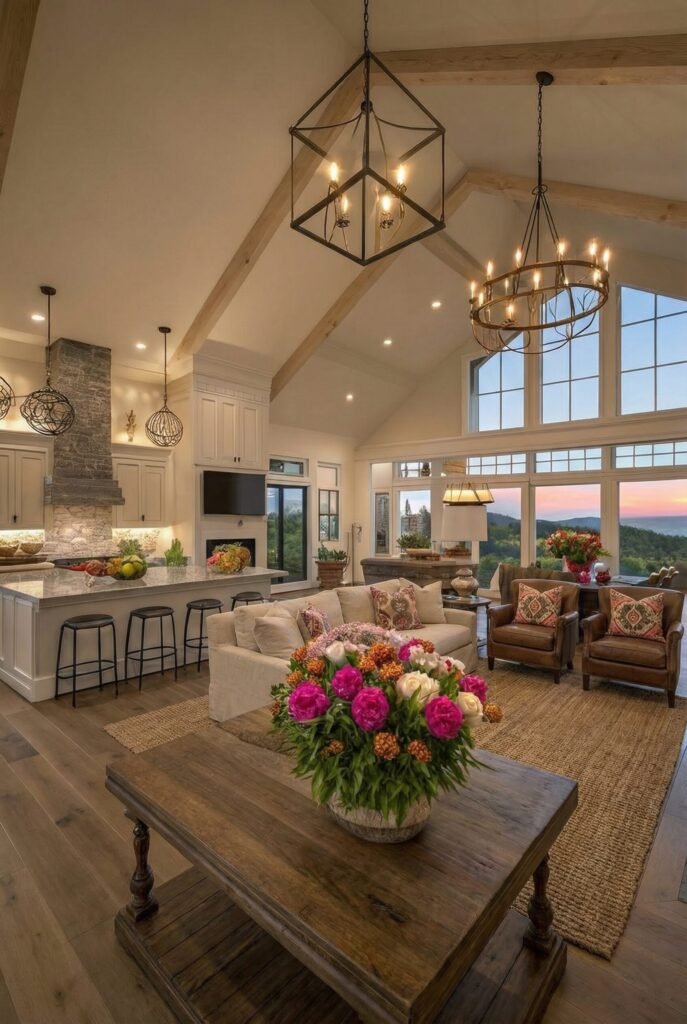
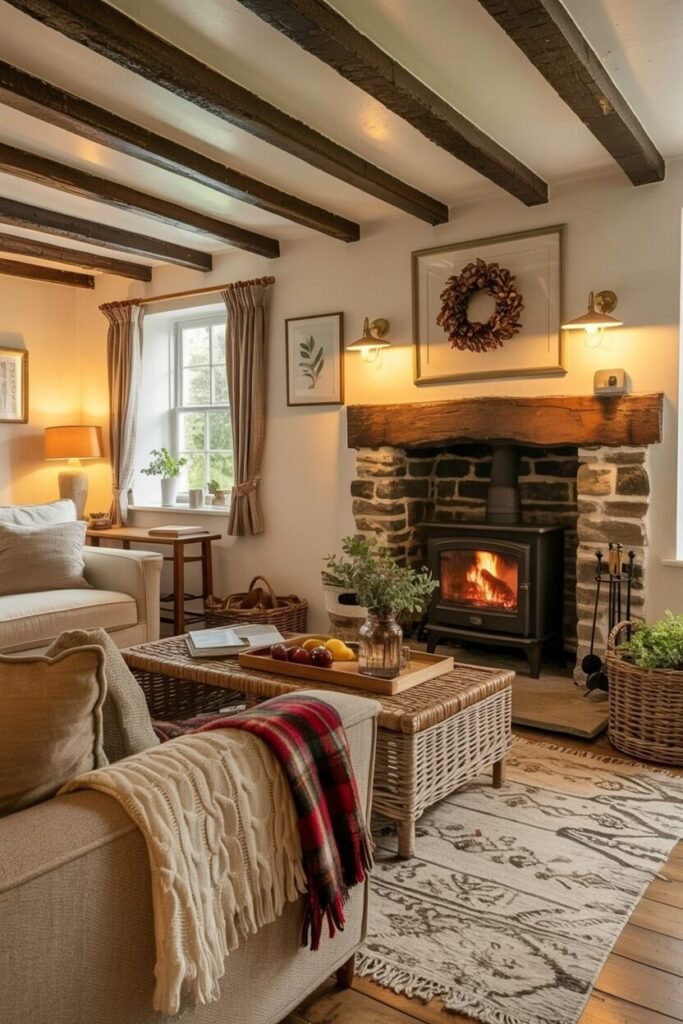
This space shows how future homes will favor emotional comfort without losing visual order. The key design principle here is transitional balance, blending classic elements with modern restraint. Exposed ceiling beams create rhythm and architectural grounding, especially important in large open layouts.
The neutral palette keeps everything calm, while texture does the real work through rugs, wood grains, and soft upholstery. Furniture placement is intentional. Seating clusters define social zones, preventing the room from feeling like one giant waiting area. Scale matters here, with oversized sofas and solid coffee tables anchoring the space visually.
Lighting is layered, combining statement chandeliers with subtle recessed lights to control mood throughout the day. If you want to recreate this look, avoid trendy colors and focus on timeless materials. We believe future living rooms will prioritize adaptability, warmth, and clarity. When a room feels this balanced, it naturally supports both everyday living and special gatherings without needing constant updates.
Stone Arch Kitchen With Timeless Tech

This kitchen proves the future can respect the past without copying it. The main principle here is material-driven zoning, using stone arches to define spaces instead of walls. Arches guide movement and visually separate cooking, prep, and social areas without closing anything off.
Natural stone brings texture and weight, which helps ground modern appliances so they don’t feel cold or overly technical. Lighting plays a huge role. Warm ambient light highlights stone textures while task lighting keeps functionality sharp. Contrast is intentional, pairing rough stone with smooth cabinetry and sleek hardware.
To recreate this look, choose durable surfaces and let materials stay visually honest. Avoid overdecorating. The structure should do the talking. We see future kitchens becoming less about gadgets and more about atmosphere. When a kitchen feels welcoming, people naturally gather, linger, and connect without being told to.
Minimal Spa Bathroom With Soft Glow
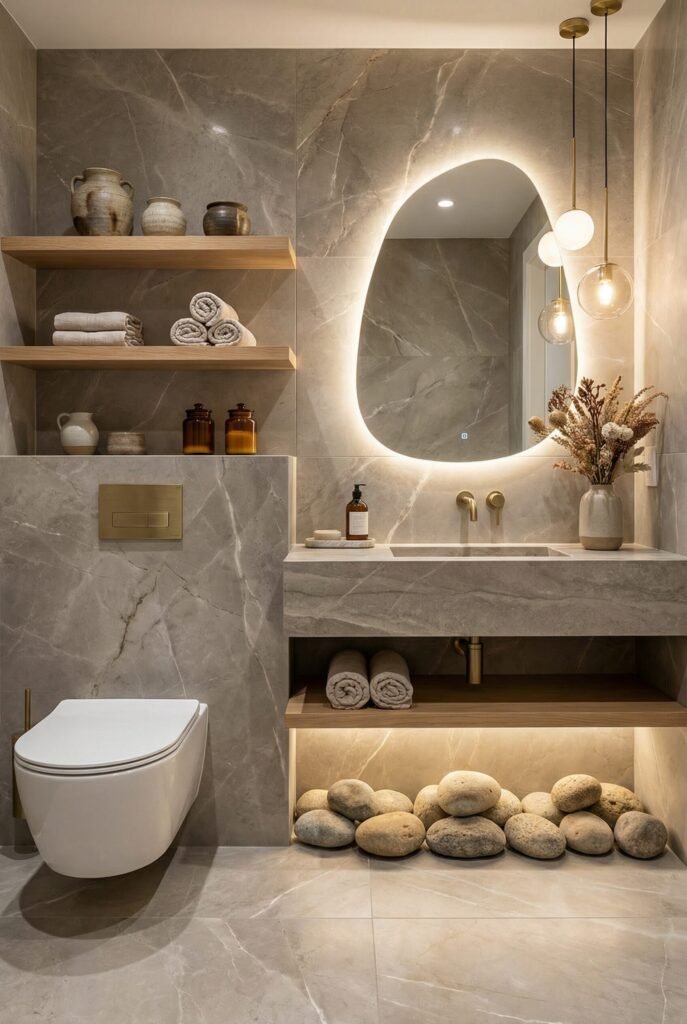
This bathroom is all about calm efficiency. The guiding principle here is sensory minimalism, where fewer elements create a stronger emotional response. Large-format stone tiles reduce visual breaks, making the space feel bigger and quieter.
Integrated lighting around mirrors provides even illumination without harsh shadows, which instantly feels more luxurious. Floating vanities increase perceived floor space while keeping the layout visually light. Hidden storage is essential, allowing daily items to disappear and preserving a clean look. Organic shapes soften the geometry so the room doesn’t feel clinical.
To recreate this, focus on warm light temperatures and matte finishes that diffuse reflections. We believe future bathrooms will prioritize how spaces feel, not how many features they include. When the environment supports relaxation, routines slow down naturally. That’s real luxury, not extra buttons or screens.
Earthy Living Room With Quiet Structure
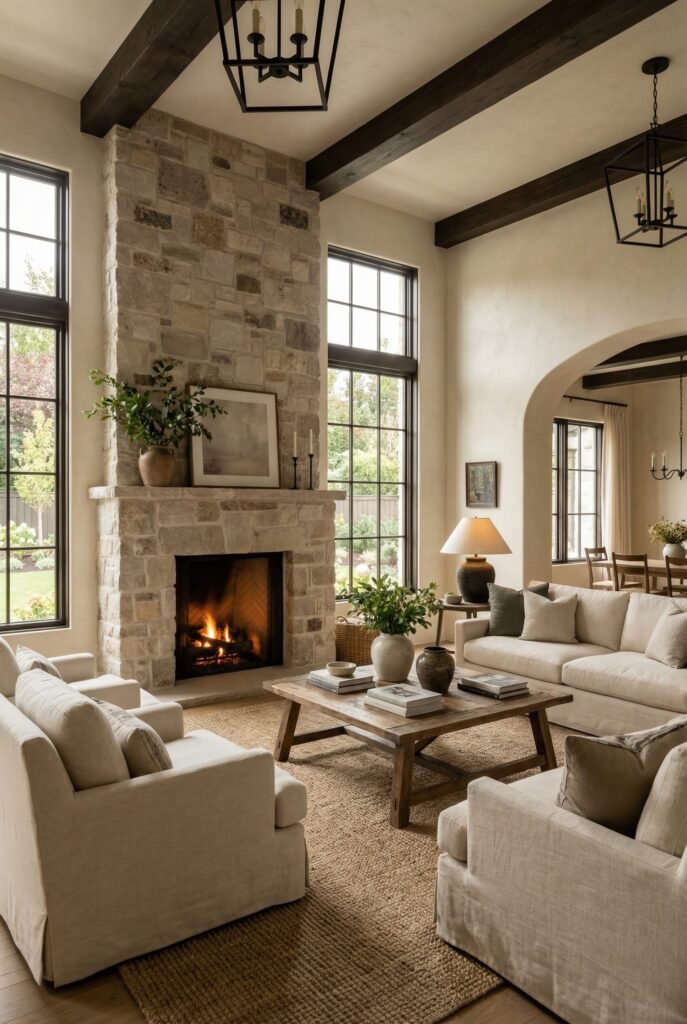
This living room embraces restraint as a design strategy. The core principle here is structured softness, combining solid architectural elements with gentle materials. A stone fireplace anchors the room visually, creating a strong focal point without overwhelming the space.
Neutral upholstery keeps everything cohesive, while texture adds depth through woven rugs and layered fabrics. Symmetrical furniture placement promotes balance, which is especially important in rooms meant for rest. Negative space is respected, allowing the room to breathe instead of feeling filled. Large windows connect indoors and outdoors while maintaining a controlled palette inside.
To recreate this look, limit colors and focus on tactile contrast instead. We believe future living rooms will move away from statement overload. Calm, grounded spaces age better and support real daily living without constant redesigns.
Skylit Lounge With Adaptive Elegance
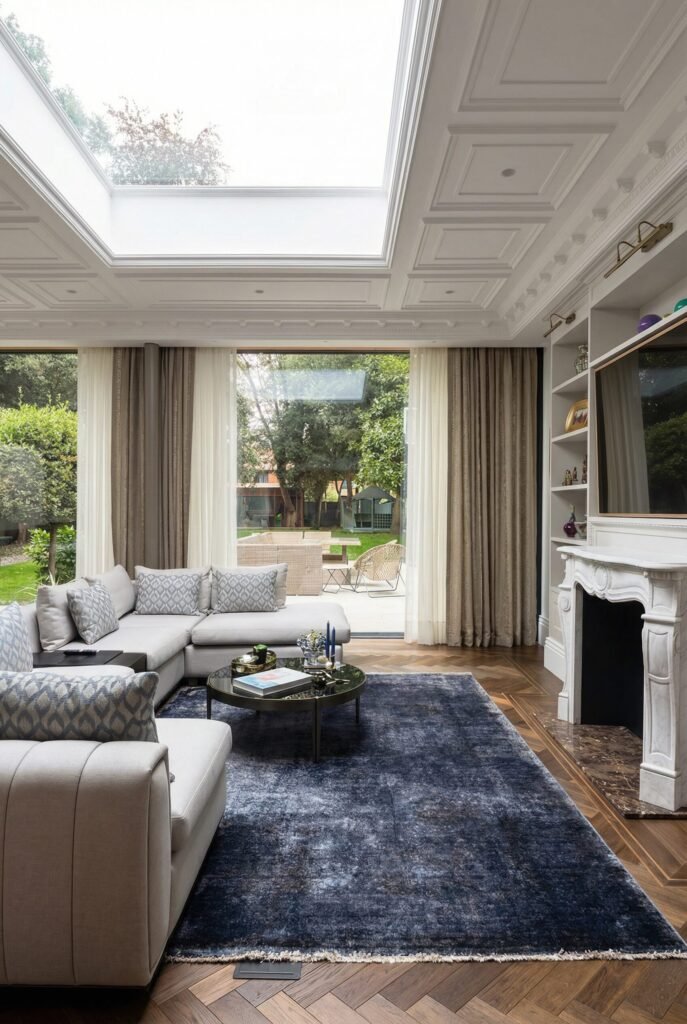
This space is designed around light first, everything else second. The main principle here is daylight-led planning, using skylights to evenly distribute natural light. Overhead light reduces shadows and makes the room feel open throughout the day.
Neutral furnishings reflect light softly, preventing glare while maintaining warmth. Rugs and textiles anchor the seating area so it doesn’t feel like it’s floating. Flexibility is built in, with furniture that adapts to lounging, hosting, or working. Window treatments soften incoming light instead of blocking it completely.
To recreate this idea, prioritize ceiling details and layered curtains. We believe future homes will treat natural light as a design material, not a bonus feature. When light is handled well, spaces feel effortless, balanced, and surprisingly timeless.
Future Homes Built For Real Life Moments
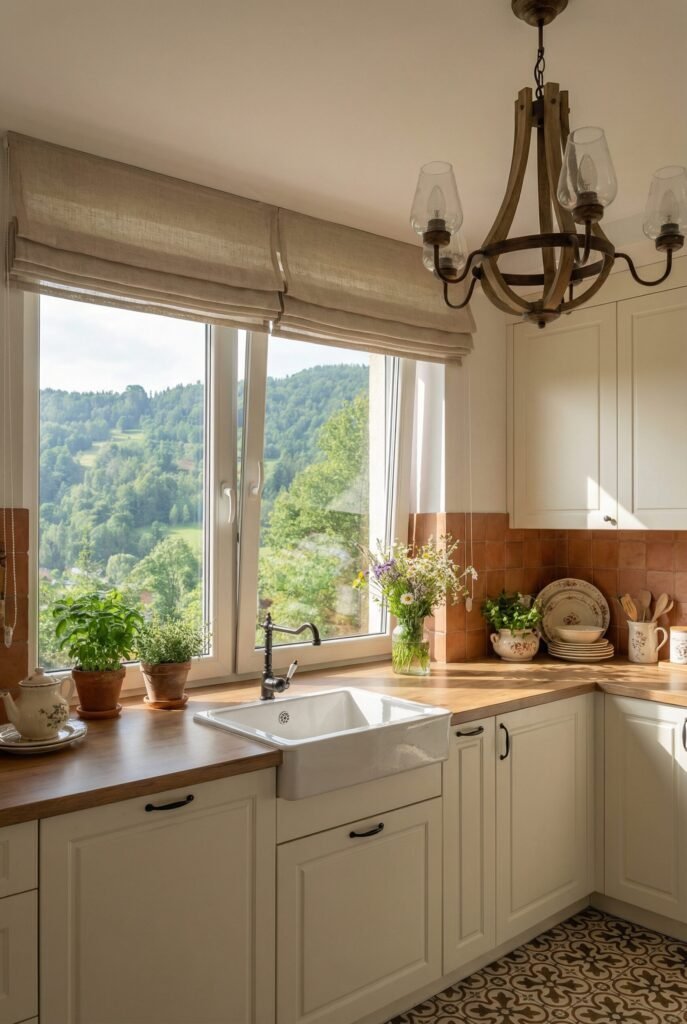
What ties all these ideas together is intention. Future homes are no longer designed room by room, but experience by experience. We design for mornings, evenings, gatherings, solitude, and everything in between. Layouts encourage connection without forcing it.
Bathrooms calm instead of rush. Kitchens invite people to stay longer. Living rooms adapt to different moods and seasons. The real future isn’t smarter devices, it’s smarter spaces. Spaces that respond to how we feel and how we move. If there’s one takeaway, it’s this: timeless materials, thoughtful lighting, and flexible planning will always outlast trends. Homes that feel good to live in don’t need constant updates. They grow with us. As design continues to evolve, the best future homes will be the ones that feel effortless, grounded, and deeply human. And honestly, that’s the kind of future we all want to come home to.